
Lokenath Bal: The Chittagong Raider Who Became Calcutta's Deputy Commissioner
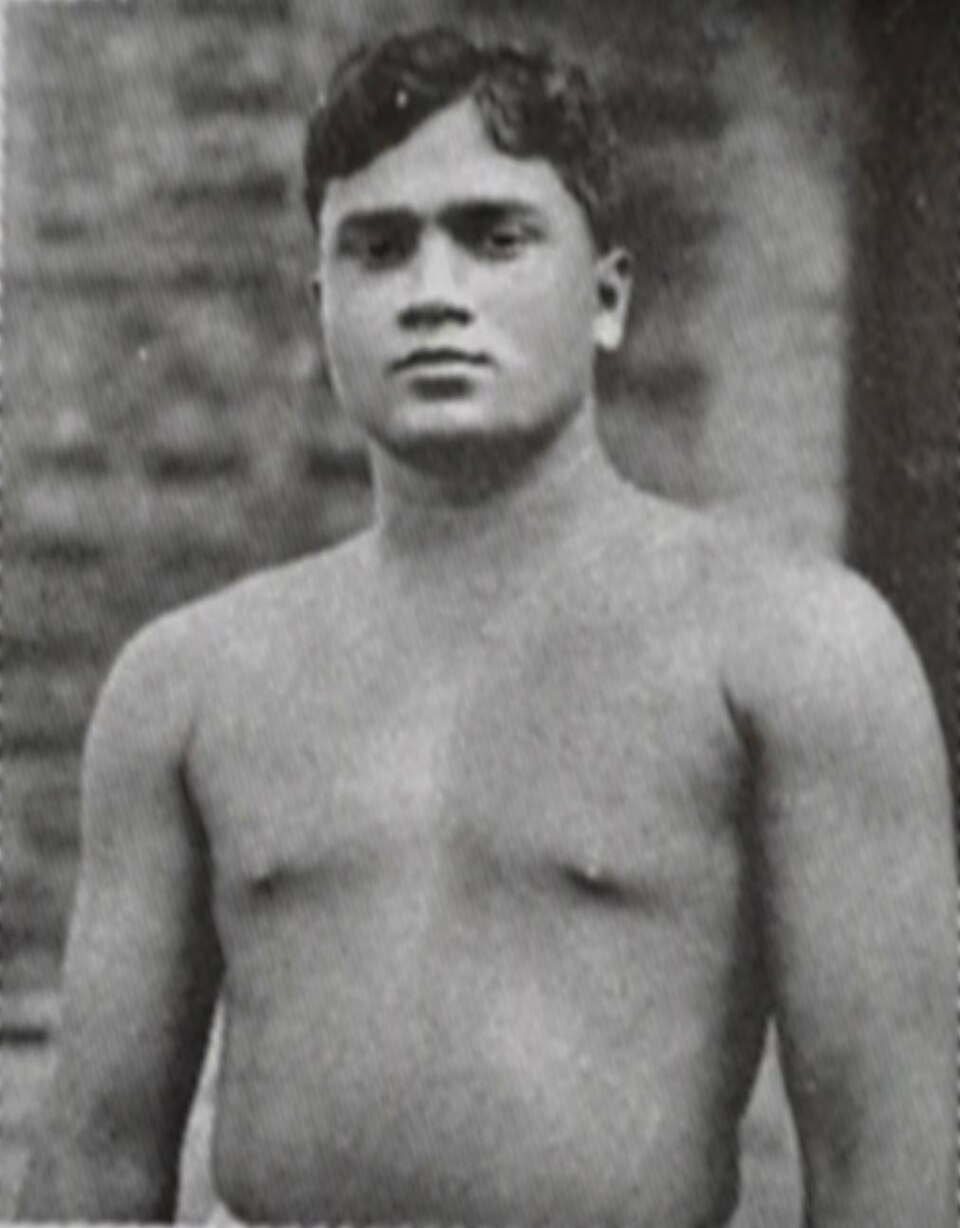
Portrait: Wikimedia Commons, CC BY-SA 2.5
Lokenath Bal (8 March 1908, 4 September 1964) was one of the principal field commanders of the Chittagong armoury raid of 1930, the most audacious armed action of Bengal's revolutionary movement. Born in Dhorla village of Chittagong district, then in British India's Bengal Presidency, he was drawn as a young man into the underground movement of Surya Sen, the schoolteacher known as Masterda, who had built the Indian Republican Army, Chittagong branch, out of students and teenagers.
On the night of 18 April 1930, Bal led the group of ten revolutionaries assigned to capture the Auxiliary Force armoury, one of the raid's two main targets. The raiders seized the armoury along with its Lewis guns and rifles, cut the telegraph and telephone lines, disrupted the railways, and briefly raised the flag of a provisional revolutionary government over Chittagong. Four days later, on 22 April, Bal led his men in the battle of Jalalabad Hill against a combined force of British soldiers and police. Twelve revolutionaries died in that fight, among them his younger brother Harigopal Bal, called Tegra. Bal himself escaped and made his way to Chandernagore, then French territory.
He did not stay free for long. On 1 September 1930, the police commissioner Charles Tegart attacked the revolutionaries' Chandernagore hideout. In the gunfight that followed, the young associate Jiban Ghoshal, alias Makhan, was killed, and Bal was arrested along with Ganesh Ghosh. On 1 March 1932 he was sentenced to transportation for life and sent to the Cellular Jail at Port Blair. He remained in prison until the general release of political prisoners in 1946, sixteen years of his life given to the cause.
What happened next is what sets Bal apart from most of his comrades. After his release he joined the Radical Democratic Party founded by Manabendra Nath Roy, and later the Indian National Congress. He entered civic administration and rose to become second deputy commissioner of the Calcutta Corporation, serving from 1 May 1952 to 19 July 1962, and then first deputy commissioner from 20 July 1962 until his death. He died in Calcutta on 4 September 1964, aged 56, of a heart attack. The revolutionary who had once seized an armoury spent his last twelve years running a municipal corporation.
Bal is also remembered as a poet of the movement. In jail he wrote verses about the fallen martyrs and vivid accounts of the Jalalabad battle, which his comrades recited at the trial and carried outside to fire new recruits. He survives in the record less than Masterda or Pritilata Waddedar, partly because his post-independence life was quiet administration rather than martyrdom or politics. But the arc is worth holding in view: a man who fought the state with a gun in 1930, and then served the public through the state he helped create.
Source: Wikipedia, DailyO
Visuals: Archival portrait
Follow the daily five-post slate on Instagram.
Follow on Instagram
