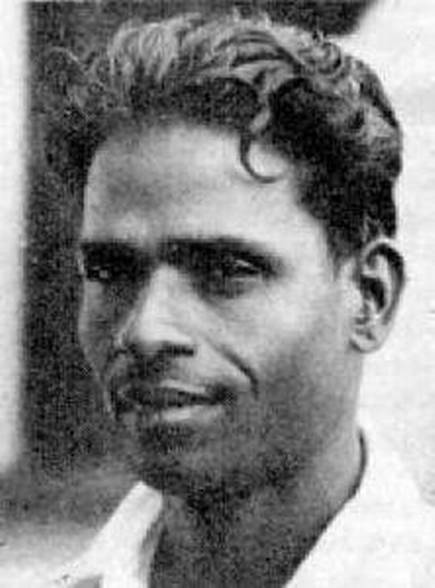
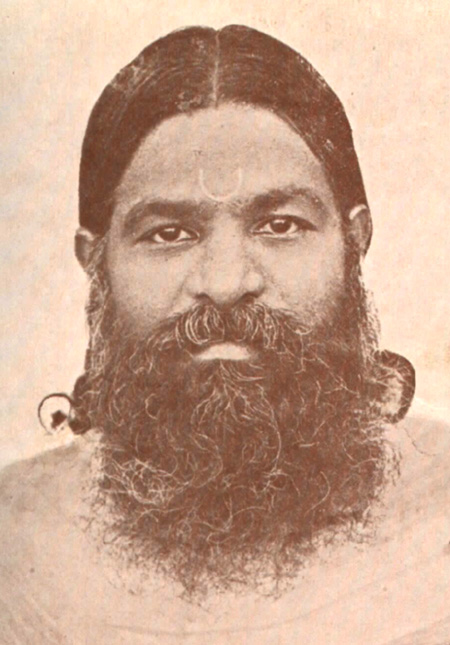
P. Jeevanandham: Tamil Nadu's communist pioneer, from Vaikom to the Legislative Assembly
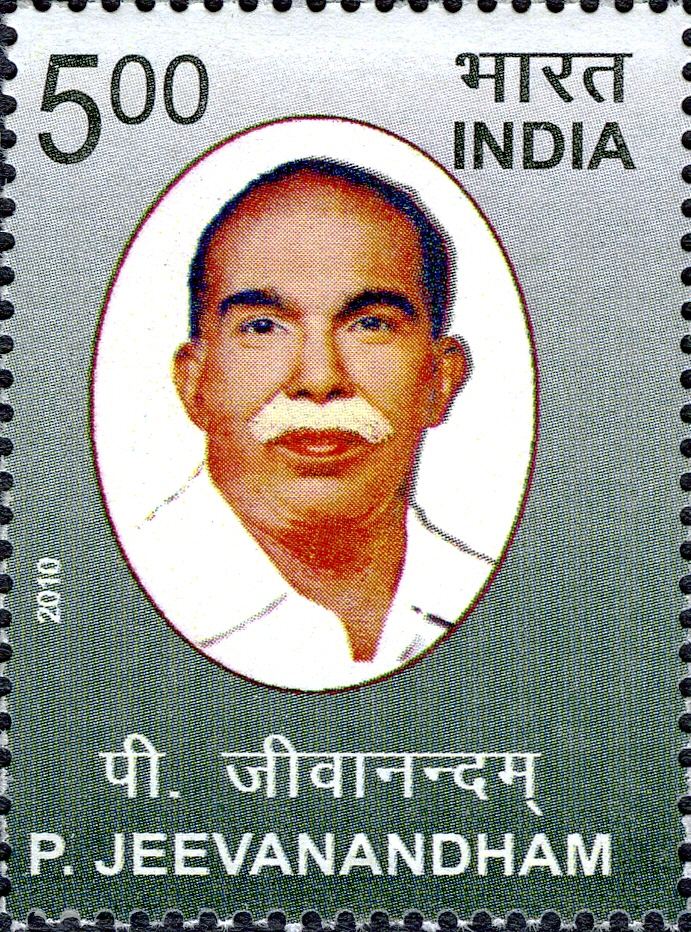
Portrait: India Post commemorative stamp (2010), Wikimedia Commons, GODL-India
P. Jeevanandham was born Sorimuthu on 21 August 1907 in Boothapandi, near Nagercoil, in the princely state of Travancore, now in Kanyakumari district of Tamil Nadu. He grew up in an orthodox family, but from boyhood he resented caste rules. He could not accept his Dalit friends being barred from temples and public places, and walked with them into streets closed to them. His father told him to stop defying caste tradition, and Jeevanandham left home rather than obey.
He entered public life through Gandhian ideas. In 1924 he took part in the Vaikom Satyagraha, against Dalits being barred from the roads around the temple at Vaikom, and in a similar agitation for Dalit entry into the Suchindram temple. At V. V. S. Aiyar's ashram at Cheranmadevi, he found Dalit and upper-caste students fed in separate halls. He backed Periyar's protest against the practice and quit. He later ran an ashram at Siravayal near Karaikkudi, where Gandhi came to meet him after he had written the Mahatma a letter disagreeing with his methods.
Periyar's return from the Soviet Union, praising its achievements and speaking of socialism, drew Jeevanandham further left. He joined the All India Congress Committee, and in 1937 became the first secretary of the Madras Provincial Congress Socialist Party. In 1939 he joined the Communist Party of India along with P. Ramamurthi, becoming one of the first members of the party in Tamil Nadu.
As a communist organiser, Jeevanandham built the labour movement of the Madras Presidency. He and Ramamurthi organised rickshaw-pullers and factory workers in Madurai and Coimbatore, and farm labourers in Thanjavur. His oratory and writings carried the work, and the colonial government answered with arrests. He was jailed several times, and an externment order once forced him to stay outside the Madras province.
After independence the ban on the Communist Party was lifted. In the first general elections of 1951-52, he won a Madras Legislative Assembly seat from the Washermanpet constituency. In the Assembly he pressed the government on development and reform, and opposed a proposed Dakshina Pradesh of the four southern states. He lost the next election but kept working for the party.
Jeevanandham was as much a cultural figure as a political one. He helped make Tamil an official language of the state and the judiciary and a medium of instruction in schools. A supporter of pure Tamil, he renamed himself Uyirinban, a Tamil rendering of Jeevanandham. He led the campaign to nationalise the songs of the poet Subramania Bharati. He founded the magazine Thamara and helped start the Tamil newspaper Jana Sakthi. In 1933 he translated Bhagat Singh's essay "Why I am an Atheist" into Tamil at Periyar's encouragement, probably its first translation.
His health failed in 1962. He travelled to the Soviet Union for treatment and returned by the end of the year, but his health worsened within weeks. He died on 18 January 1963 at his modest home in Tambaram, near Chennai, aged 55. About two lakh people attended his funeral.
His name survives on the map: the state transport corporation's Erode division is the Jeeva Transport Corporation, the Vyasarpadi railway station in Chennai is named Vyasarpadi Jeeva, schools in Puducherry and Boothapandi carry his name, and India Post issued a stamp on his birth centenary in 2010. Yet outside Tamil Nadu he is barely remembered, overshadowed by the Congress and Dravidian giants he worked alongside. He was, as Frontline put it, a cultural warrior: a man who carried the freedom struggle from the temple road to the factory gate, and kept it going long after independence was won.
Source: Frontline, Wikipedia, The Hindu
Visuals: Archival portrait
Follow the daily five-post slate on Instagram.
Follow on Instagram