Pritilata Waddedar: The Schoolteacher Who Led the Raid on the European Club
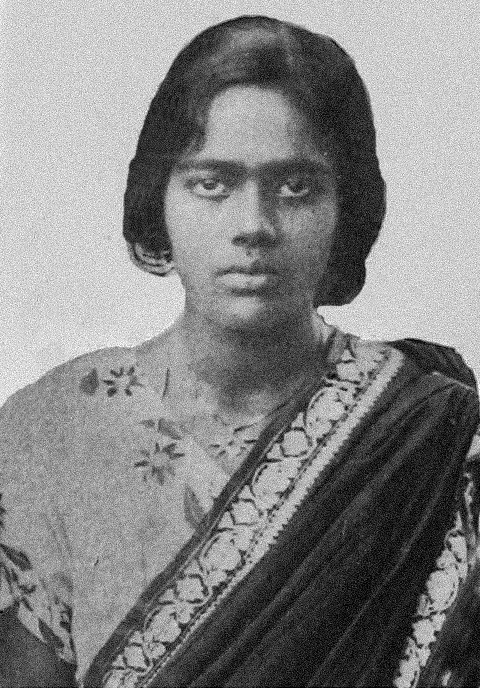
Portrait: Wikimedia Commons, public domain
Pritilata Waddedar was born on 5 May 1911 in Dhalghat village, Patiya, near Chittagong, the daughter of Jagabandhu Waddedar, a head clerk at the Chittagong Municipal Office, and Pratibha Devi. She was a brilliant student, passing matriculation from Dr. Khastagir Government Girls' School in the first division, taking fifth place in the Dhaka Board in the intermediate examination with first rank among women candidates, and graduating in philosophy with distinction from Bethune College, Calcutta. She returned to Chittagong as the headmistress of a girls' school.
School could not contain her. She met Surya Sen, the leader of the Chittagong revolutionaries, on 13 June 1932 and joined his movement. She took part in the Jalalabad operations, supplying explosives to the revolutionaries, and trained herself in arms. Sen, initially reluctant to send women into armed action, came to trust her completely. In September 1932 he assigned her to lead the attack on the Pahartali European Club in Chittagong, a whites-only club whose gate bore the infamous sign "Dogs and Indians not allowed."
On the night of 23 September 1932, dressed as a Punjabi man, she led a group of revolutionaries to the club at 10:45 pm. They set the building ablaze and exchanged fire with the occupants. One person was killed and eleven injured. In the retreat, Pritilata was wounded by a police bullet and cut off from her comrades. She carried a potassium cyanide pill for exactly this moment. She swallowed it and died rather than be captured. She was 21.
The British found on her body leaflets, a photograph of the revolutionary Ramkrishna Biswas, and bullets. She had also written a note challenging the idea that only men were fit to fight for the nation.
She was Bengal's first woman martyr, and the first woman in the subcontinent to sacrifice her life in the anti-British movement. Bangladesh named a dormitory at Jahangirnagar University after her, and a bronze statue stands near the Pahartali Railway School, close to the club she attacked. Yet in the Indian telling of the freedom struggle she is a name that appears in footnotes. A 21-year-old headmistress who led an armed assault on the most hated symbol of colonial racism, and chose cyanide over captivity, deserves better than a footnote. Her life answers, in action, the question she posed in her last note: women had earned their place in the fight for freedom, bullet for bullet.
Source: Wikipedia, The Daily Star, Dhaka Tribune
Visuals: Archival portrait
Follow the daily five-post slate on Instagram.
Follow on Instagram