
Senapati Bapat: The bomb-maker who became a peasant general
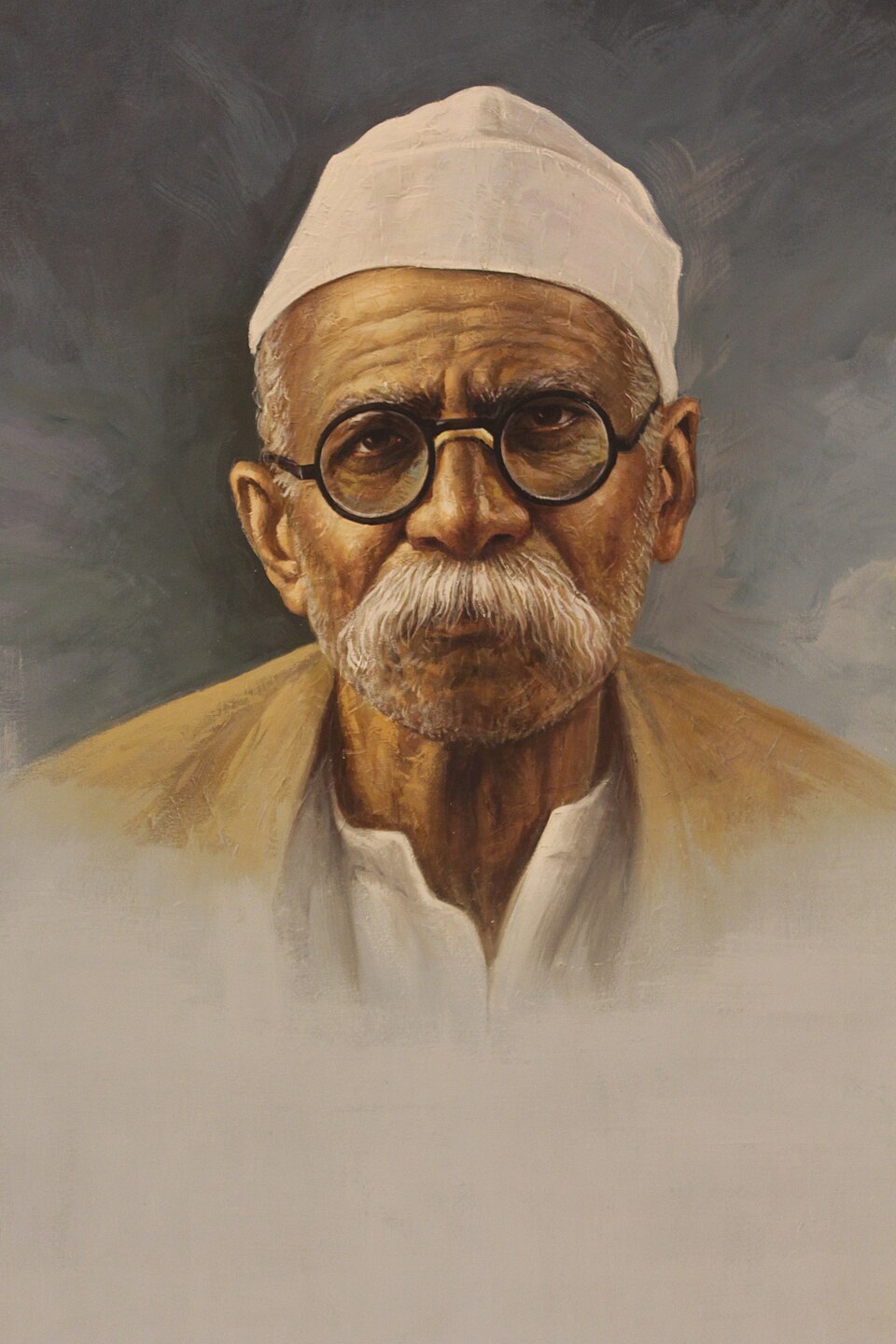
Portrait: Wikimedia Commons, CC BY-SA 4.0
Pandurang Mahadev Bapat was born on 12 November 1880 in Parner, Maharashtra, into a Marathi Chitpavan Brahmin family with roots in Ratnagiri. A brilliant student at Deccan College, he won a government scholarship to study engineering in Britain, landing in Edinburgh with a career laid out before him. It was in Britain that his life turned. Moving in the circle of the Savarkar brothers at India House in London, Bapat spent his time learning how to make bombs rather than attending to his engineering syllabus, convinced that armed resistance was the road to freedom.
He returned to India and moved through secret revolutionary societies, passing his bomb-making knowledge to fellow activists. After the Alipore bombing of 1908, the British arrested him in connection with the Alipore Bomb Case, but he was acquitted for want of evidence directly tying him to the conspiracy. While in hiding after that arrest, Bapat travelled across the country and reached a sobering conclusion: most Indians barely understood that their country was under foreign rule. His focus shifted from toppling the government by force to waking and educating the people.
Back in Parner, he became a social revolutionary of a different kind. He taught every evening at the Maharwada, the Dalit quarter, scandalising orthodox opinion. He took a broom to the village gutters himself, teaching cleanliness by example rather than precept, and campaigned against untouchability. In Pune he worked alongside Lokmanya Tilak on the Kesari, though he never hesitated to speak his mind even to Tilak. He bore a personal blow with stoic courage when his wife died in 1920, leaving him with two small children.
Then came the struggle that gave him his name. When the Tatas began building a dam at Mulshi, displacing farmers from their land, Bapat took up the farmers' cause in 1921 and demanded proper rehabilitation. Young idealists, including Shankarrao Deo, flocked to him. The people began calling him Senapati, meaning commander. The Mulshi Satyagraha was no mere gesture. Bapat was sentenced to seven years of rigorous imprisonment, which he served from 12 June 1925 to 24 May 1931.
He never stopped. After his release he took part in the Samyukta Maharashtra movement, the Goa liberation movement, the Hyderabad liberation movement and the Maharashtra-Mysore border agitation. On 15 August 1947, he was given the honour of raising the national flag over Poona for the first time. He died on 28 November 1967 in Mumbai, and ten years later the Indian government issued a 25-naya-paise postage stamp in his memory.
Senapati Bapat is remembered in Maharashtra, but outside it his name survives mostly on the S.B. Road in Pune. The maverick who began with explosives and ended as a commander of nonviolent peasants, who both followed and challenged Gandhi, still waits for the wider recognition his unusual life deserves.
Source: Press Information Bureau, Kartavya Sadhana, Wikipedia
Visuals: Archival portrait
Follow the daily five-post slate on Instagram.
Follow on Instagram
