
Shanti Ghosh: The 15-Year-Old Who Shot Dead a British District Magistrate
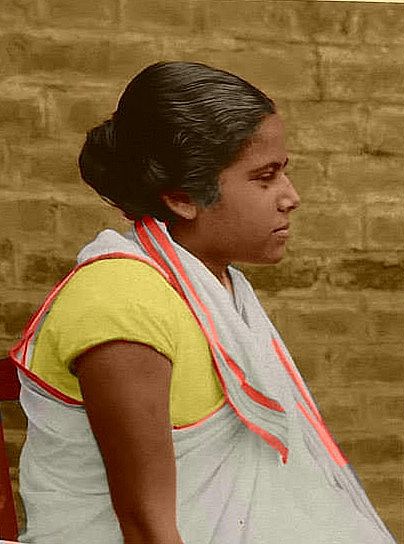
Portrait: Wikimedia Commons, CC BY-SA 4.0
Santi Ghose, known in most accounts as Shanti Ghosh, was born on 22 November 1916 in Comilla, in what is now Bangladesh, the daughter of Debendranath Ghose, a philosophy professor at Victoria College. She was a student at the Nawab Faizunnesa Government Girls' High School when, in 1931, she became a founding member and secretary of the Chhatri Sangha, the girls' student association, and joined the Jugantar Party, the militant revolutionary organisation. She trained with swords, clubs, and firearms.
On 14 December 1931, Shanti and her schoolmate Suniti Choudhury, aged 14, walked into the office of Charles Geoffrey Buckland Stevens, the British district magistrate of Comilla, under the pretence of presenting him with Christmas candies before he left for Britain. As Stevens ate the sweets and remarked on them, the two girls drew automatic pistols hidden under their shawls and shot him dead at point-blank range.
She had just turned fifteen. Accounts differ on whether she was fifteen or sixteen that day; the calendar says fifteen. Either way, she and Suniti were schoolgirls who had carried out the only successful assassination of a British bureaucrat by women in the history of the Indian freedom movement.
In February 1932 they were tried in Kolkata and sentenced to transportation for life, banishment. They were released in 1939 after seven years in prison, Shanti still in her early twenties. She went on to serve independent India in the West Bengal Legislative Council and the West Bengal Legislative Assembly, spending her adult years in quiet legislative work, a long way from the pistol under the shawl. She died in 1989.
What it cost her is easy to miss in the telling. She gave up her childhood to prison walls, and she spent her adult life in the kind of legislative work that never makes it into the legends. Suniti's daughter recalled that the two women never spoke of a "contribution": it was a job that needed doing, and they were grateful for the opportunity to serve the country.
Shanti Ghosh is forgotten because she survived and because her crime was too successful to be romanticised. The movement kept its martyrs and its shooters who died trying. A woman who shot a district magistrate dead at fifteen, did her seven years, and then quietly served in legislative chambers, does not fit the poster. But the poster is not the struggle. The struggle included two schoolgirls with pistols under their shawls, and one of them was Shanti Ghosh.
Source: Wikipedia, The Telegraph, Times of India
Visuals: Archival portrait
Follow the daily five-post slate on Instagram.
Follow on Instagram
