Amir Chand: The Delhi schoolteacher hanged in the 1912 Hardinge conspiracy

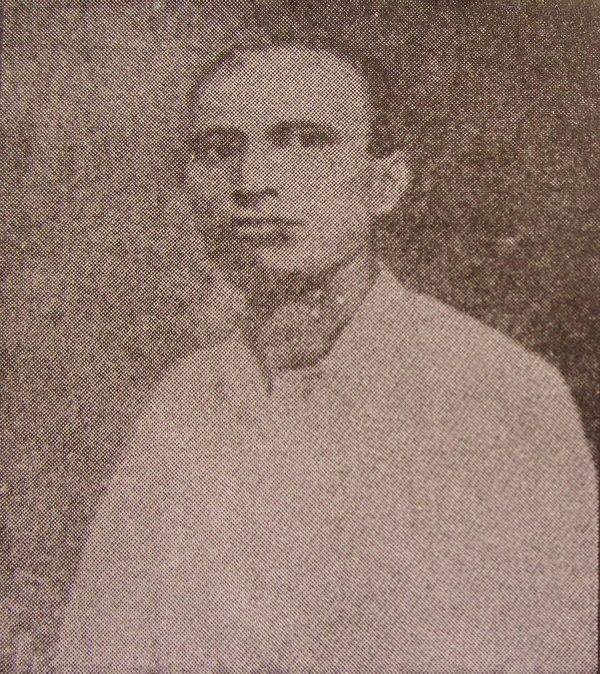
Portrait: Wikimedia Commons, public domain
Master Amir Chand was born in 1869 in Delhi into a Vaishya family, in the same year Mirza Ghalib died. He studied at St. Stephen's College in Delhi and became a school teacher, which is how he earned the title "Master" that stayed with him to the gallows.
His patriotism expressed itself first through the Swadeshi movement. During its peak he opened a Swadeshi store in Delhi's Hyderabad market, selling portraits of patriots and revolutionary literature, and he organised a Swadeshi exhibition in the city. He was known to tell his students at length about the bravery of the Rani of Jhansi. He came into contact with Rash Behari Bose and the circle of revolutionaries in northern India that planned to strike at the heart of the colonial state.
On 23 December 1912, as Lord Hardinge's procession entered Chandni Chowk for Delhi's ceremonial inauguration as the new capital, a bomb was thrown into the Viceroy's howdah. Hardinge survived with injuries; his attendant was killed. Amir Chand was implicated in the conspiracy. He was arrested in 1914 and put on trial in the Delhi Conspiracy Case. The court sentenced him to death on 5 October 1914, and he was executed on 8 May 1915 at Delhi Jail, together with Master Awadh Behari and Bhai Balmukund. He was forty-five or forty-six years old, the eldest of the four men executed in the case. Basant Kumar Biswas was hanged the next day at Ambala Central Jail.
His family carried the name forward in an unexpected way: after his death they built the publishing houses S. Chand & Co. and Sultan Chand & Sons, and his nephew Sultan Chand became a Member of Parliament and was awarded the Padma Shri. In 2016, when the Delhi chief minister paid homage to the martyrs, he met Amir Chand's great-grandsons, Prabhat C. Gupta and Samrat Chand Gupta, at the memorial.
That memorial, the Shaheed Smarak, stands at the "Phansi Ghar" of the old Delhi Jail, now on the campus of the Maulana Azad Medical College, and the Delhi government pays tribute to the four martyrs there every 8 May. The Phansi Ghar carries the names of fourteen freedom fighters hanged there between 1915 and 1945. Amir Chand is the only one of the four whose descendants briefly stepped into public view; for the rest of the year, the schoolteacher of Delhi's old city rests where history filed him, among the lesser-known dead of the revolutionary movement.
Source: Wikipedia, The Hindu, Business Standard
Visuals: Archival portrait
Follow the daily five-post slate on Instagram.
Follow on Instagram