
Ashfaqulla Khan: The Poet Who Died with Bismil
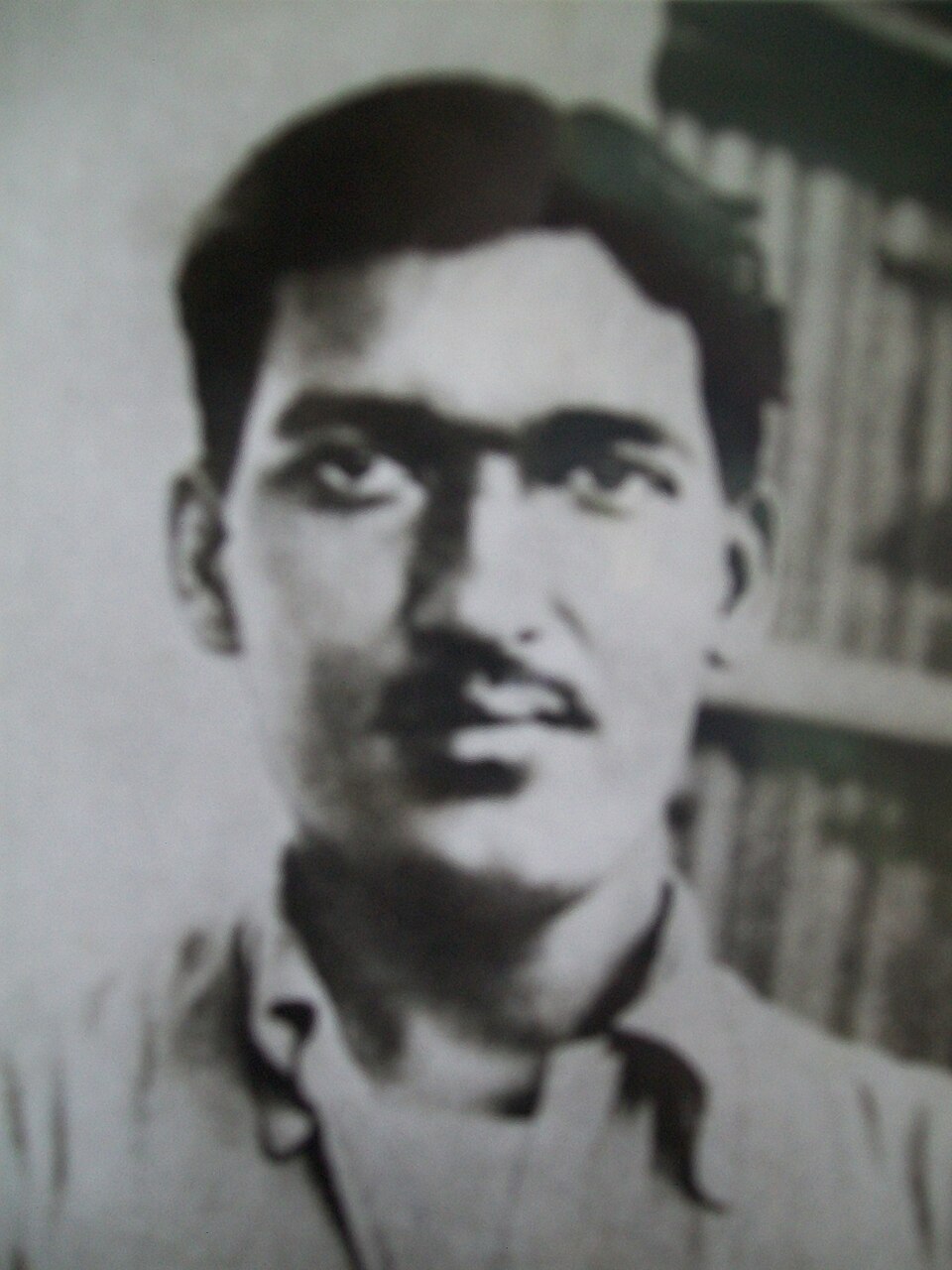
Portrait: Wikimedia Commons, public domain
Ashfaqulla Khan was born on 22 October 1900 in Shahjahanpur in the United Provinces, the youngest of six siblings, and was called Achchu at home. He was an Urdu poet who wrote under the pen names Hasrat and Warsi, and he loved the verses of Ram Prasad Bismil long before he met the man. His path to revolution began with the Mainpuri conspiracy of 1918: a police raid on his school to arrest a student involved in it first showed him the underground world. He asked a friend to introduce him to Bismil, then an absconder, and after a general pardon freed the Mainpuri prisoners, Bismil returned to Shahjahanpur in February 1920. The legendary friendship began.
Over the next seven years the two were inseparable. They took part in the Non-Cooperation Movement, campaigned for the Swaraj Party, and then moved to armed revolution under the Hindustan Republican Association. They ate from the same plate; Bismil performed havan at the Arya Samaj temple while Ashfaq offered namaz at the same place. A few months before the Kakori action, when a mob attacked the Arya Samaj temple in Shahjahanpur, Ashfaq was reportedly the first to face it. By his family's account he was initially reluctant about the train robbery, fearing it would send the wrong message, until Bismil convinced him it served the larger cause.
On 9 August 1925 the HRA men stopped the Number 8 Down train near Kakori in Lucknow district and looted the British treasury from the guard's cabin. Ashfaq escaped the dragnet. He fled to Nepal, then to Daltonganj, where he worked for six months as a clerk under an assumed name, and then to Delhi, planning to go abroad. A friend he was staying with betrayed him to the police. In custody the British tried to turn him: officers, using Muslim clerics and relatives, pressed him to testify against Bismil, promising release. He refused. "Let me die with honour," he is reported to have said.
On 19 December 1927, aged 27, Ashfaqulla Khan was hanged in Faizabad jail. He walked to the gallows carrying the Quran, crying "Labbaik", here I am, O Lord. His reported last words were that his hands were not stained with human blood and that God would give him justice. Bismil was hanged the same day at Gorakhpur.
A century later, their friendship is still invoked as the purest symbol of Hindu-Muslim unity in the freedom struggle. A PTI report on the centenary of the Kakori action noted that Bismil and Ashfaq remained "brothers in arms" from 1920 to the gallows in 1927. Ashfaqulla Khan's poetry is still quoted, and his refusal to buy his life with Bismil's blood is the detail by which he is remembered best.
Source: The Wire, The Print (PTI)
Visuals: Archival portrait
Follow the daily five-post slate on Instagram.
Follow on Instagram
