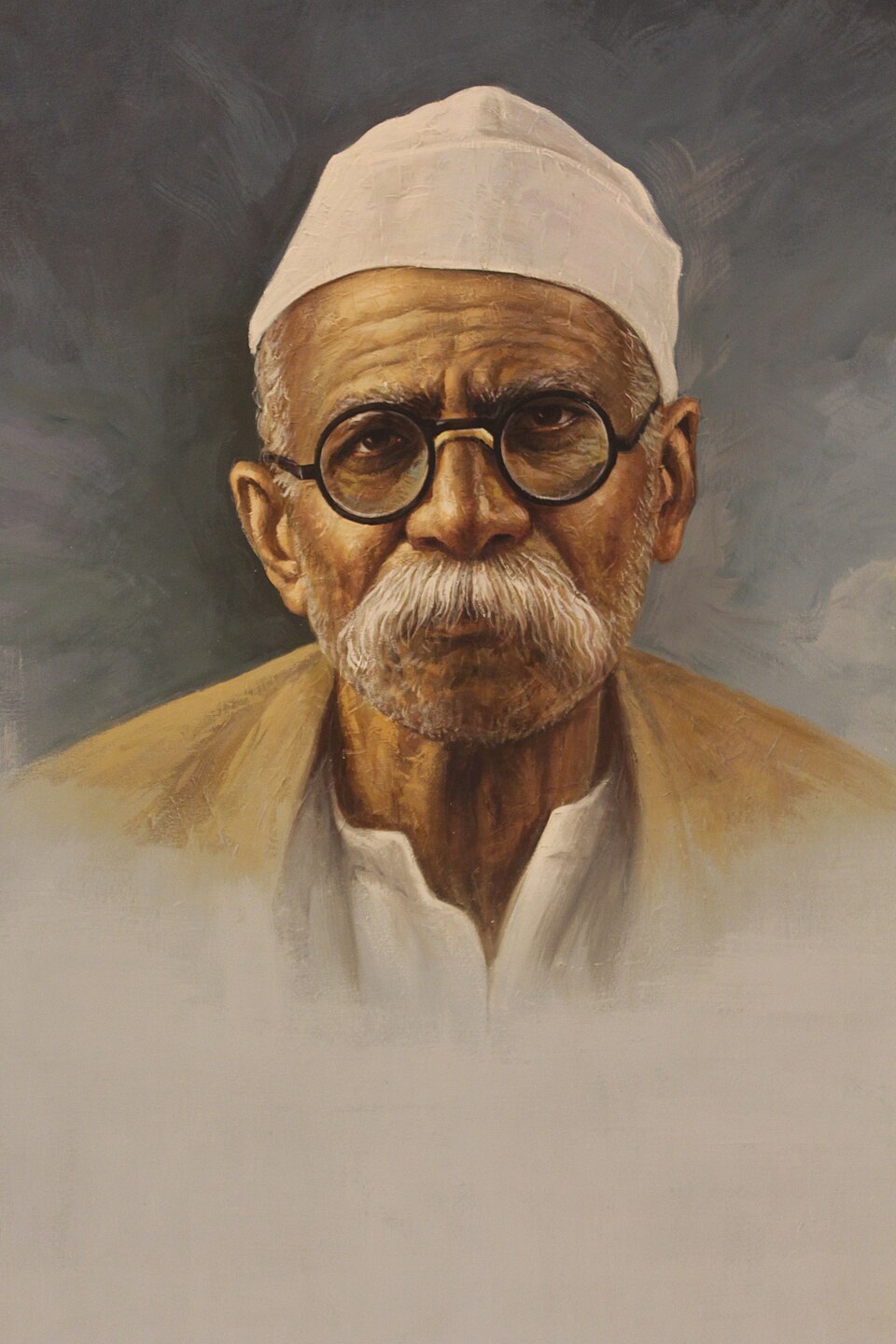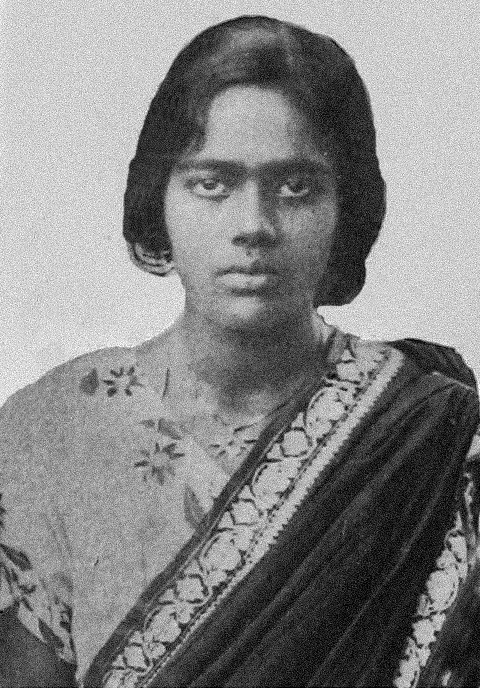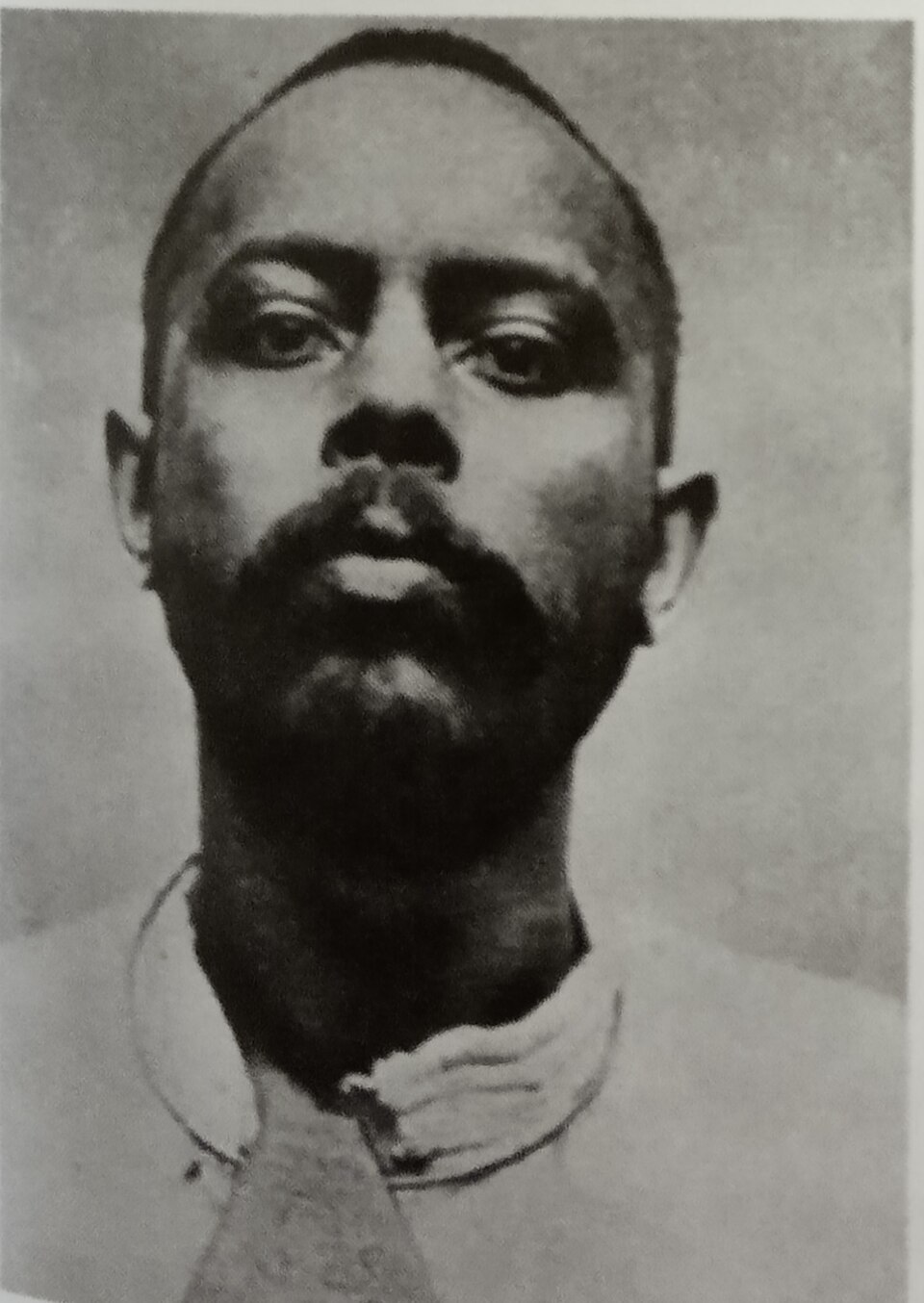
Avadh Bihari: The Delhi schoolteacher executed alongside the Hardinge bomb conspirators
Avadh Bihari, often spelled Awadh Behari, was born in 1889 in Delhi. Like his fellow convict Amir Chand, he was a school teacher, known as "Master". Beyond these bare facts, the record of his life is thin: he moved in revolutionary circles in Uttar Pradesh and Punjab, and he worked with Rash Behari Bose in planning the attack on Lord Hardinge timed to the transfer of the capital from Calcutta to Delhi.
On 23 December 1912, Hardinge's procession moved through Chandni Chowk to mark Delhi's ceremonial entry as the new capital. A homemade bomb was hurled into the Viceroy's howdah as he sat atop a caparisoned elephant. Hardinge was wounded; his attendant was killed. India TV notes that although Avadh Behari was convicted as though he had thrown the bomb, the true identity of the person who actually threw it is not known to this day.
He was arrested in 1914 along with the other accused and tried in the Delhi Conspiracy Case. The investigations had swept up nearly twenty suspects from Delhi, Punjab and Bengal, and the trial, which concluded on 5 October 1914, handed down harsh sentences: four death sentences and life imprisonment in the Andamans for a fifth accused, Lala Hanwant Sahai. The court sentenced him to death on 5 October 1914, and he was executed on 8 May 1915 at Delhi Jail, alongside Master Amir Chand and Bhai Balmukund. A few accounts place his execution at Ambala Central Jail on 11 May 1915, but the majority of sources, including the Delhi government's own records and contemporary press reports, give Delhi on 8 May. The fifth accused, Lala Hanwant Sahai, escaped the gallows with a life sentence in the Andamans, and even his name is rarely mentioned in accounts of the case.
He is remembered with the other three martyrs of the Hardinge case at the Shaheed Smarak, the memorial at the "Phansi Ghar" of the old Delhi Jail, now on the campus of the Maulana Azad Medical College, where the Delhi government pays tribute every 8 May. Of the four men who went to the gallows for the 1912 attack, Avadh Bihari is the most obscure: even his name survives in variant spellings, and his birth year is nearly all that is known of his personal life. The attack itself is well documented; the man behind it is almost entirely a silhouette, a reminder of how many revolutionaries paid the full price and left almost no trace.
Source: India TV, The Hindu, Business Standard
Visuals: Archival portrait
Follow the daily five-post slate on Instagram.
Follow on Instagram