
Jhalkari Bai: The Jhansi warrior who took the queen's place in battle
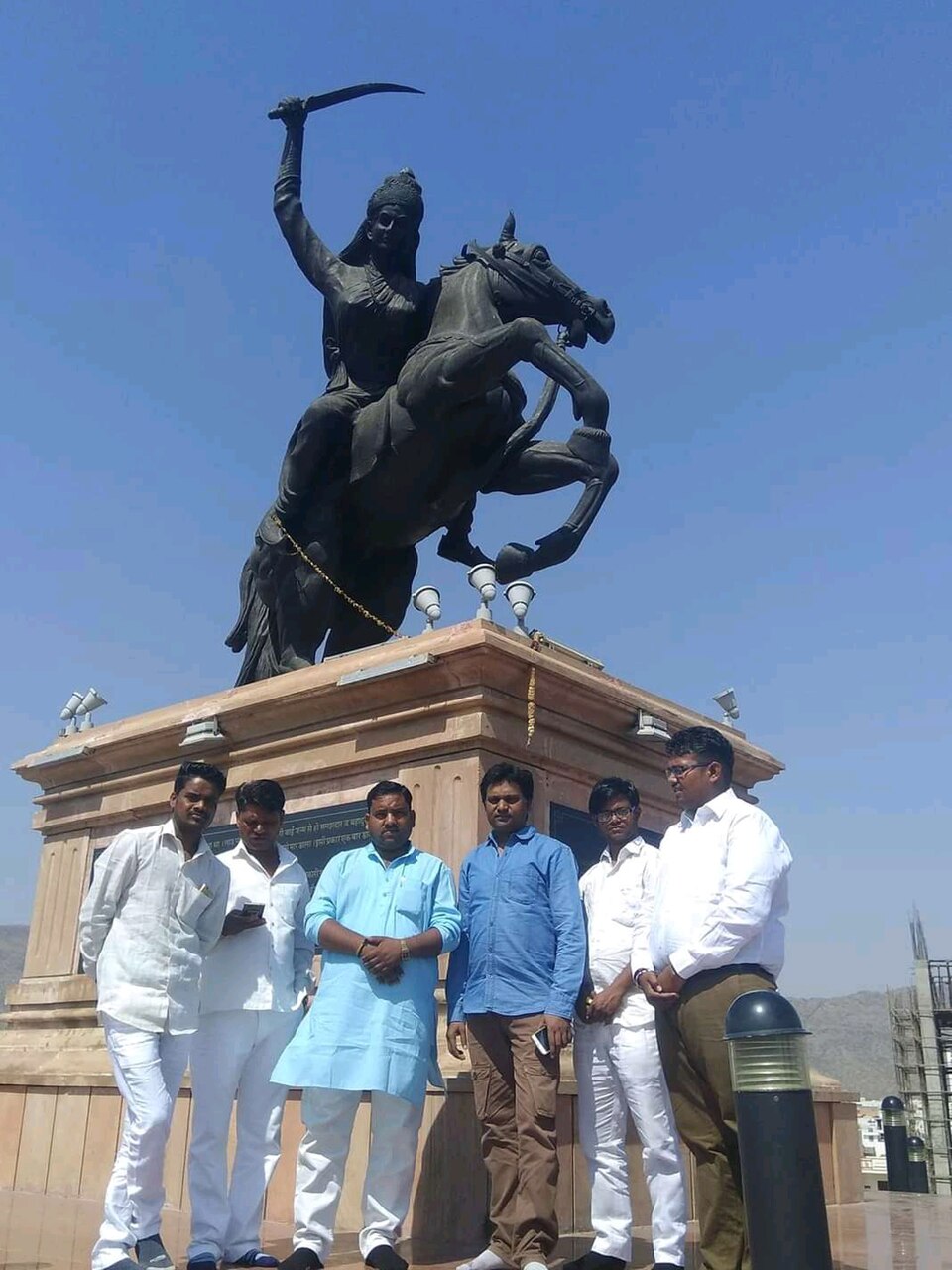
Portrait: Wikimedia Commons, CC BY-SA 4.0
Jhalkari Bai (1830-1858) was a Dalit woman warrior of the Jhansi army who, during the 1857 uprising, disguised herself as Rani Lakshmibai and took the queen's place in battle so that the real queen could escape. She was born on 22 November 1830 in Bhojla village near Jhansi, the only daughter of Sadoba Singh and Jamuna Devi, and her family belonged to the Kori caste. After her mother's death her father raised her and trained her to use weapons, ride horses, and fight. Childhood legends, still sung in Bundelkhand, say she killed a leopard with a stick while herding cattle and drove off dacoits who raided a village trader's house. One account adds that she killed a tiger with an axe when it attacked her in the forest. In 1843 she married Puran Kori, a soldier in the Jhansi army. Pooran, himself from the Kori caste, was a noted wrestler, archer, and horseman who had heard stories of her courage and asked her father for her hand. He trained her further in archery, wrestling, horse riding, and shooting.
She met Rani Lakshmibai during Gauri Puja at the Jhansi fort, where the queen was struck by her uncanny resemblance to herself and by her courage. Jhalkari Bai was inducted into the women's wing of the army and later given command of the Durga Dal, its women's regiment, where she was trained to shoot and fire cannons in preparation for a British attack. When General Hugh Rose besieged Jhansi in March and April 1858, she put on the queen's dress and led the defense from the Dantiya and Unnao gates alongside the male commanders. The deception fooled the British repeatedly and bought the real queen the time she needed to escape the fort with her child.
Her husband died in the battle, and she is said to have fought on fiercely. The exact manner and date of her death are not established: legends say she was killed in the fighting, while some folk accounts hold that she survived and lived until 1890.
For decades she was eclipsed by the Rani's legend, but her story lived on in Bundeli folklore and songs. India Post issued a stamp in her honor on 22 July 2001, and statues of her stand across Bundelkhand. Dalit communities reclaimed her as their own symbol, proof that the heroines of 1857 were not all queens, and that the war for independence was fought by women the histories chose not to name.
Source: Her Circle, Feminism in India
Visuals: Archival portrait
Follow the daily five-post slate on Instagram.
Follow on Instagram
