
Matangini Hazra: Gandhi Buri, Who Would Not Drop the Flag
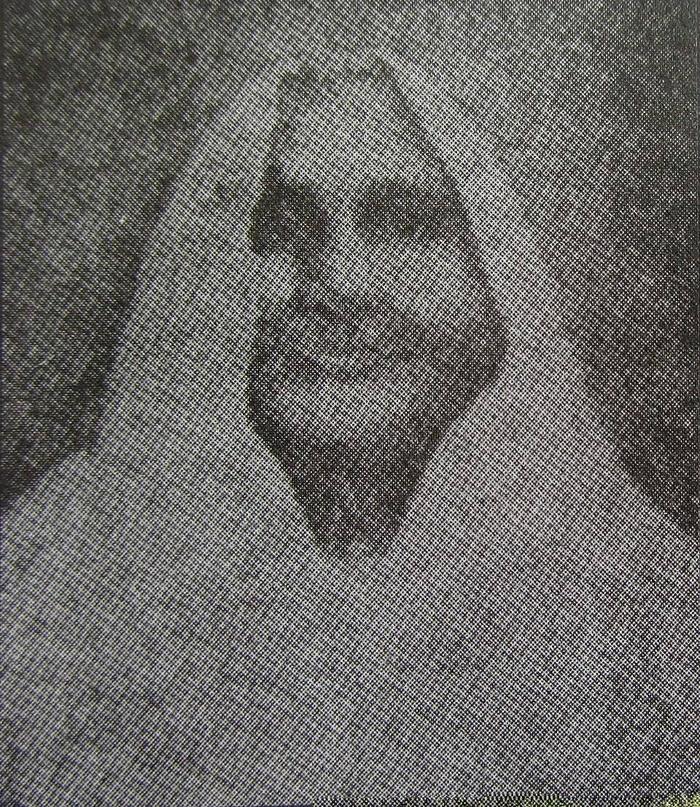
Portrait: Wikimedia Commons, public domain
She was seventy-one years old, unlettered, and a widow, and she led six thousand people toward the guns of the Tamluk police station carrying the national flag. When the police shot her, she kept walking. When they shot her again, she kept chanting Vande Mataram. Matangini Hazra died holding the flag upright, and Bengal called her Gandhi Buri, the old lady Gandhi.
She was born Matangini Maity on 19 October 1870, though a few accounts give 17 November 1869, at Hogla village near Tamluk in Midnapore, Bengal, into a poor Mahishya peasant family. She received no formal education. Married at twelve to Trilochan Hazra of Alinan village, she was widowed at eighteen, childless, and spent her early years helping the poor of her village.
Gandhi's ideals drew her into the movement around 1905. In 1932 she joined the Civil Disobedience movement and was arrested for breaking the Salt Act. Released, she protested again against the hated chowkidari tax and was jailed for six months at Baharampur. In 1933 she attended the subdivisional Congress conference at Serampore and was injured in a police baton charge. She spun her own khadi, wore only khadi, and her barefoot simplicity earned her the name Gandhi Buri.
On 29 September 1942, during the Quit India movement, the Congress's Samar Parisad war council planned to capture the police stations of Midnapore district. Hazra led one of the five Vidyut Bahini batches, a procession of about six thousand supporters, mostly women, marching on the Tamluk police station. At the town's outskirts the police ordered the crowd to disperse. Hazra stepped forward to appeal to the police not to open fire. They shot her. Wounded in the forehead and hands, she pressed on. Shot again, she would not let the flag fall. She died in front of the station she had marched to take, the first Quit India martyr of Midnapore.
Her martyrdom electrified Bengal. The Tamralipta Jatiya Sarkar, the parallel national government of Tamluk, was established in the months that followed and functioned until 1947. In 1977 a statue of Hazra was placed at the spot where she fell, the first statue of a woman in Kolkata, and India Post honoured her on a stamp marking sixty years of the Tamralipta government.
She is forgotten for the most ordinary of reasons: she was a poor, unlettered, widowed woman from a village, who wrote nothing and led nothing after her death. The national narrative had room for leaders who survived to tell their stories. Matangini Hazra only had the one story, and she told it with her body, walking into gunfire with a flag in her hands.
Source: Moneycontrol, The Better India
Visuals: Archival portrait
Follow the daily five-post slate on Instagram.
Follow on Instagram
