
Sohan Singh Bhakna: The founding president of the Ghadar Party who survived the gallows
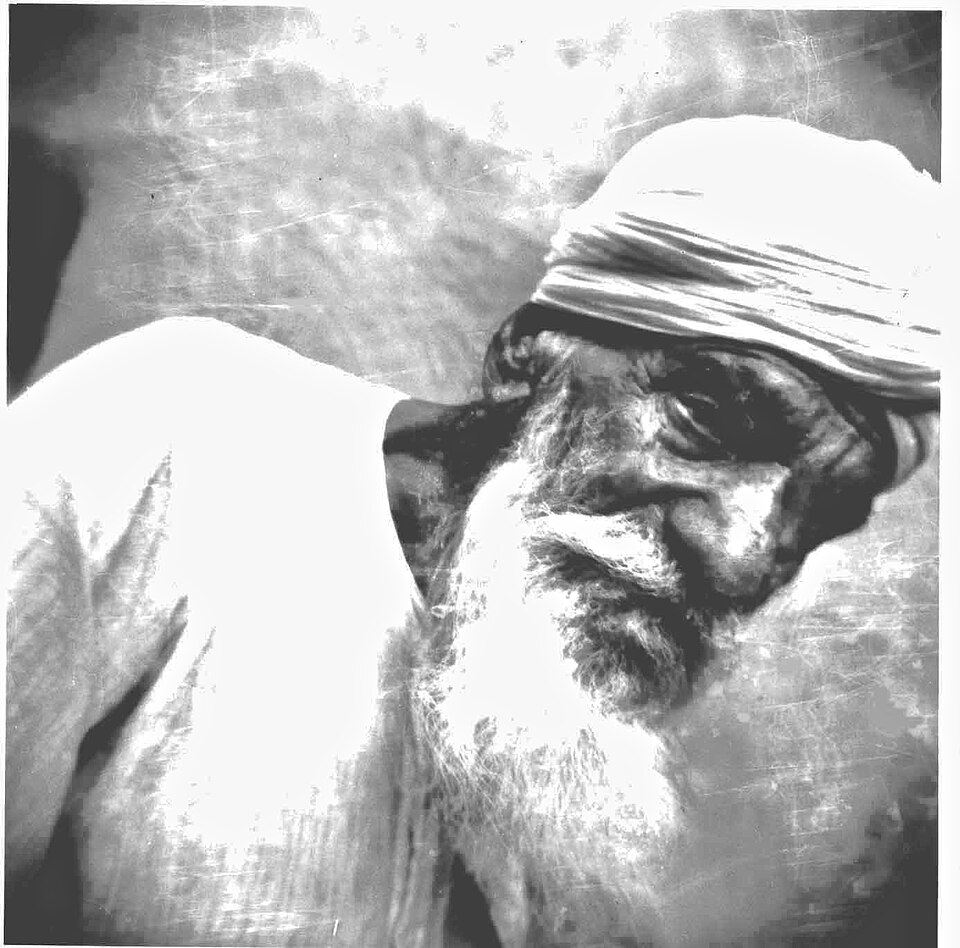
Portrait: Wikimedia Commons, CC BY-SA 4.0
Baba Sohan Singh Bhakna was born in January 1870 (accounts differ between 4 and 22 January) at the village of Khutrai Khurd in Amritsar district, the only son of a well-to-do peasant, Sardar Karam Singh, who died when Sohan was barely a year old. There was no school in the village; he received his early education at the local gurdwara and completed only primary schooling. In February 1909 he boarded a ship for the United States, arriving in Seattle after a two-month voyage, and found work as a labourer in a timber mill.
The miseries of Indian immigrants in America made him an ardent nationalist. Back in Punjab he had already taken part in the protests against the anti-Colonization Bill of 1906-07. In the summer of 1913, representatives of Indians living in Canada and the United States met at Stockton and set up the Hindustani Workers of the Pacific Coast. Sohan Singh was elected its first president, with Lala Har Dayal as general secretary. On 1 November 1913 the association launched its weekly paper, Ghadar, whose name the organisation and the movement itself would adopt: the Ghadar Party.
The party first planned an uprising for 1917, but the Komagata Maru episode and the outbreak of war in Europe hastened events. Sohan Singh contacted the returning Komagata Maru at Yokohama and delivered a consignment of arms to Baba Gurdit Singh. Learning that hostilities had broken out on 28 July 1914, he sailed for India at the head of a band of revolutionaries on the ship Namsang. The moment his ship reached Calcutta on 13 October 1914, he was arrested.
He was tried in the First Lahore Conspiracy Case and sentenced to death with forfeiture of property, along with 23 other Ghadarites. Then came an extraordinary legal reprieve. Advocates who had watched the trial made a representation to Pandit Motilal Nehru, who spotted the flaw: 17 of the 24 condemned men had been arrested at the ports, before they had set foot on Indian soil. The lawyers carried the point to the Viceroy's Executive Council, and Viceroy Lord Hardinge commuted 17 of the death sentences. Bhakna later recalled the morning of 16 November 1915, when the deputy jailer opened their doors for the final bath and then, without water, disclosed that the execution had been postponed. That day his seven comrades, including Kartar Singh Sarabha and Vishnu Ganesh Pingle, embraced martyrdom gladly. "Even death refused to embrace the unfortunates like us," he said decades later.
He was transported to the Cellular Jail in the Andamans, reaching it on 10 December 1915, and led hunger strikes for the rights of Sikh prisoners, refusing the cap and unfair labour. In 1921 he was moved to Coimbatore and then Yervada jail, where he fasted again over the denial of turbans and kachhahiras to Sikh prisoners. Shifted to Lahore Central Jail in 1927, he fasted once more against the segregation of Mazhabi Sikhs at mealtimes. He was finally released in July 1930, after sixteen years.
He did not retire. He joined the civil disobedience movement, the Communist Party of India in 1934, became the first president of the All India Kisan Sabha in 1943, and wrote his autobiography, Jeewan Sangram, the life struggle. Bent with age and ravaged by pneumonia, he died at Amritsar in December 1968 (accounts differ between the 20th and the 21st). He lived with one regret to the end: that he had survived the rope his comrades had taken.
Source: The Tribune, The Sikh Encyclopedia
Visuals: Archival portrait
Follow the daily five-post slate on Instagram.
Follow on Instagram
