Subramania Siva: The orator who walked Tamil Nadu because the British barred him from trains
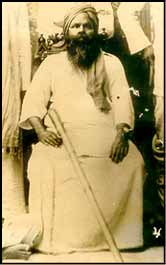
Portrait: Wikimedia Commons, public domain
Subramaniya Siva was born on 4 October 1884 at Batlagundu in the Madurai region, in what is now Dindigul district, to Rajam Iyer and Nagalakshmi. A Tamil Brahmin who considered himself a sanyasi, he equated India's freedom from British rule with spiritual liberation, and worked alongside V.O. Chidambaram Pillai and Subramania Bharati in the extremist wing of the Congress inspired by Bal Gangadhar Tilak.
In 1906, stirred by a speech of an Arya Samaj leader in Trivandrum, he founded the Dharma Paripalana Samaj to draw young men into the freedom movement. In Tirunelveli and Tuticorin he partnered with VOC, and in February 1908 he co-led the Coral Mills strike in Tuticorin that won the workers better wages and hours. On 12 March 1908, he was arrested together with VOC by Collector Robert Ashe for organising meetings to celebrate the release of Bipin Chandra Pal, and sentenced to six years of severe imprisonment.
It was in prison that his life was broken. He contracted leprosy during his incarceration. After his release, the colonial authorities forbade him from travelling by train, since leprosy was regarded as contagious. Siva refused to stop his work: he walked from town to town across Tamil Nadu, delivering the fiery Tamil orations that, according to the researcher Vamanan, made the Tirunelveli district reverberate with the revolutionary frequency of Bengal. Between 1908 and 1922 he was imprisoned four times and endured severe physical hardship and poverty.
He was also a prolific writer and a champion of Tanittamil Iyakkam, the pure Tamil movement that sought to rid the language of loan words. In 1913 he launched Gnanabhanu, a monthly Tamil journal of literature, nationalist philosophy, and social reform that carried contributions from writers including Bharati. He wrote books such as Sachidananda Sivam, Gnanaratnam, and Ramanuja Vijayam, and staged historical plays to instill national pride while evading colonial censorship on public gatherings. In 1923 he secured land at Papanapatti in Dharmapuri district and laid the foundation stone for a Bharat Mata Ashram and temple, conceived as a centre of national unification across caste lines.
He died on 23 July 1925 at Papparapatti, at the age of 40, his body worn out by disease and prison. He is revered as Swatantra Sivam, yet outside Tamil Nadu his name is almost unknown, and even within it, the man who preached swaraj on foot for over a decade receives a fraction of the remembrance given to his contemporaries.
Source: The Print, GKToday, Wikipedia
Visuals: Archival portrait
Follow the daily five-post slate on Instagram.
Follow on Instagram