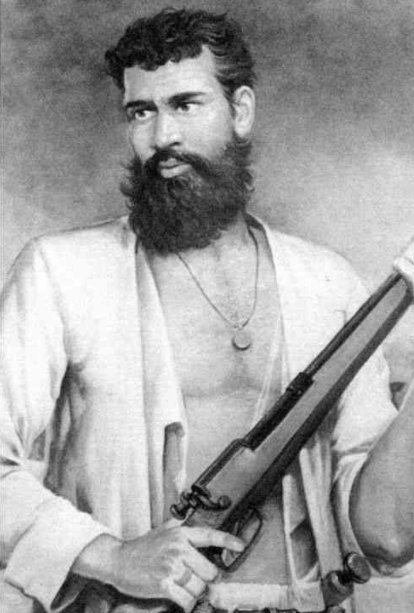
Maniram Dewan: Assam's First Tea Planter, Hanged for the 1857 Plot
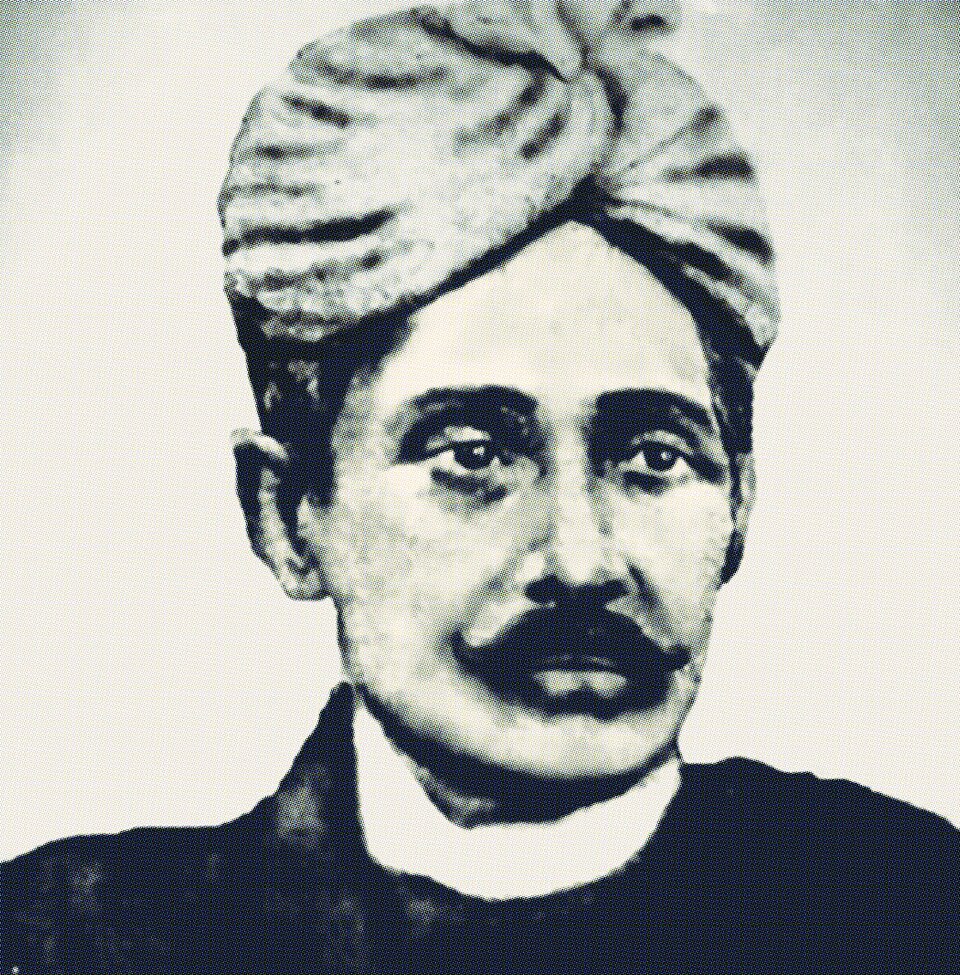
Portrait: Wikimedia Commons, public domain
Maniram Dutta Baruah, known as Maniram Dewan, lived two lives that rarely meet in one man. He was one of the first Indians to build a commercial tea business in Assam, and he was hanged by the British for plotting against them in the uprising of 1857. He was born on 17 April 1806 at Charing in Sibsagar, into a Kalita family whose ancestors had migrated from Kannauj centuries earlier and held high offices in the Ahom court.
His family fled to Bengal during the Burmese invasions of Assam between 1817 and 1826, and returned under British protection after the East India Company defeated the Burmese and took Assam under the Treaty of Yandabo in 1826. Young Maniram became a trusted associate of the Company administration under David Scott, the Agent to the Governor General in the Northeast. At twenty-two he was appointed tehsildar and sheristadar of Rangpur under Scott's deputy, Captain John Bryan Neufville. Later the titular Ahom king Purandar Singha made him borbhandar, effectively prime minister, and when the British deposed Purandar, Maniram resigned his Company posts in loyalty and stayed close to the Ahom royal house.
It was Maniram who set Assam's tea story in motion. He told British merchants about the tea bushes grown by the Singpho tribe, guided the Scotsman Robert Bruce to the Singpho chief Bessa Gam, and helped launch the enterprise that would define Assam's economy. In 1839 he became the Dewan of the Assam Tea Company at Nazira at two hundred rupees a month. When differences with the Company officers drove him to quit in the mid-1840s, he used what he had learned to start his own gardens at Cinnamara near Jorhat and at Selung in Sibsagar, becoming the first Indian to grow tea commercially in Assam. He also ventured into gold, salt, iron smelting, brick-making, and other industries, and the people of Upper Assam called him Kalita Raja.
By the 1850s the British were squeezing his business, and Maniram had turned against them. He petitioned a Calcutta court that British policies had reduced the people of Assam to abject misery, and he proposed restoring the Ahom monarchy under Kandarpeswar Singha. He arrived in Calcutta in early 1857 to gather support for the young prince. When the uprising began, he urged Kandarpeswar to join it and organize his people in Jorhat, and a day was fixed to install him as king. Maniram kept up constant communication with Piyali Baruah, Kandarpeswar's close associate.
The plot was discovered before it could be carried out. Maniram was arrested in Calcutta; Kandarpeswar, Piyali, and the others were arrested in Jorhat. Maniram and Piyali were charged with treason and waging war against the Company. Both were hanged at Jorhat on 26 February 1858. February 26 is still observed in Assam as their martyrdom day.
Some historians argue that the Raj framed him because his tea gardens competed with British companies, and a memorial trust has campaigned for him to be officially recognized as the Father of Assam Tea. Whether framed or fairly convicted of conspiracy, Maniram Dewan remains the rare figure who built an industry the British coveted and then died trying to take his country back from them.
Source: Wikipedia, The Telegraph
Visuals: Archival portrait
Follow the daily five-post slate on Instagram.
Follow on Instagram