Surya Sen: Masterda and the Chittagong Armoury Raid of 1930
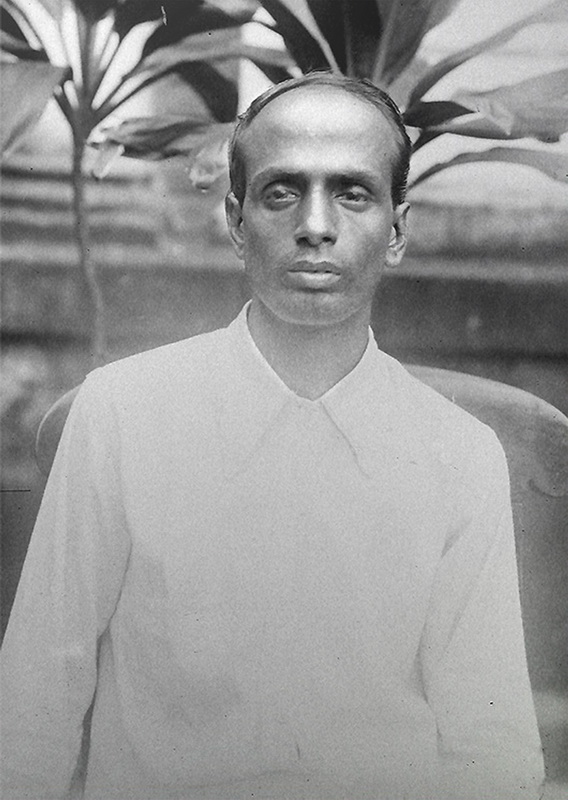
Portrait: Wikimedia Commons, public domain
Surya Kumar Sen was born on 22 March 1894 in Noapara village, Chittagong, in what is now Bangladesh. He was a mathematics teacher at the local National School, and his students and neighbours called him "Masterda," elder brother-teacher. That nickname, warm and unremarkable, concealed one of the most audacious planners the freedom struggle produced.
Sen joined the Anushilan Samiti as a young man and was elected president of the Chittagong branch of the Indian National Congress in 1918. He threw himself into Gandhi's non-cooperation movement, and when it was called off, he turned to armed revolution. He robbed the Assam-Bengal Railway treasury to fund the movement and was imprisoned from 1926 to 1928 alongside Ambika Chakrabarty. Prison did not change his direction. A favourite saying of his was that humanism is a special virtue of a revolutionary.
On the night of 18 April 1930, a Good Friday, he struck. Leading a band of young revolutionaries under the name of the Indian Republican Army, Chittagong branch, including Ananta Singh, Ganesh Ghosh, and Lokenath Bal, he raided the police armoury and the armoury of the Auxiliary Forces in Chittagong. His men cut the telegraph and telephone wires and tore up the railway lines to keep reinforcements away. They seized the weapons but failed to capture the ammunition. Sen hoisted the Indian flag over the armoury and proclaimed a provisional government: for one night, Chittagong was free.
The British response was overwhelming. The revolutionaries fell back to the Jalalabad Hills, where a pitched battle left twelve of them dead. Sen escaped with the survivors and spent nearly three years as a fugitive, moving from village to village, disguised at times as a farmer, a priest, even a Muslim preacher, sheltered by villagers and constantly planning. From his hideouts he guided young revolutionaries, including Pritilata Waddedar and Kalpana Dutta, in attacks on the Chittagong European Club.
He was betrayed and captured on 16 February 1933 at the house of Khirodprova Biswas. In prison he was brutally tortured, his limbs and joints broken, and after a summary trial he was hanged on 12 January 1934 in Chittagong Central Jail, together with his fellow revolutionary Tarakeshwar Dastidar. His body was reportedly taken out to sea and dumped.
The raid he led was the closest thing to an open armed insurrection the Bengal revolutionaries achieved. It showed that the Raj, for all its troops and telegraphs, could lose an entire port city for a night. Outside Bengal, though, his name never travelled the way Bhagat Singh's did. A schoolteacher who became a general for a night and a fugitive for three years, Surya Sen belongs to the memory of a movement that the mainstream narrative flattened into the story of a few famous names.
Source: Wikipedia, The Telegraph, The Daily Star
Visuals: Archival portrait
Follow the daily five-post slate on Instagram.
Follow on Instagram