K. Kelappan: Kerala's Gandhi and the fight for temple entry
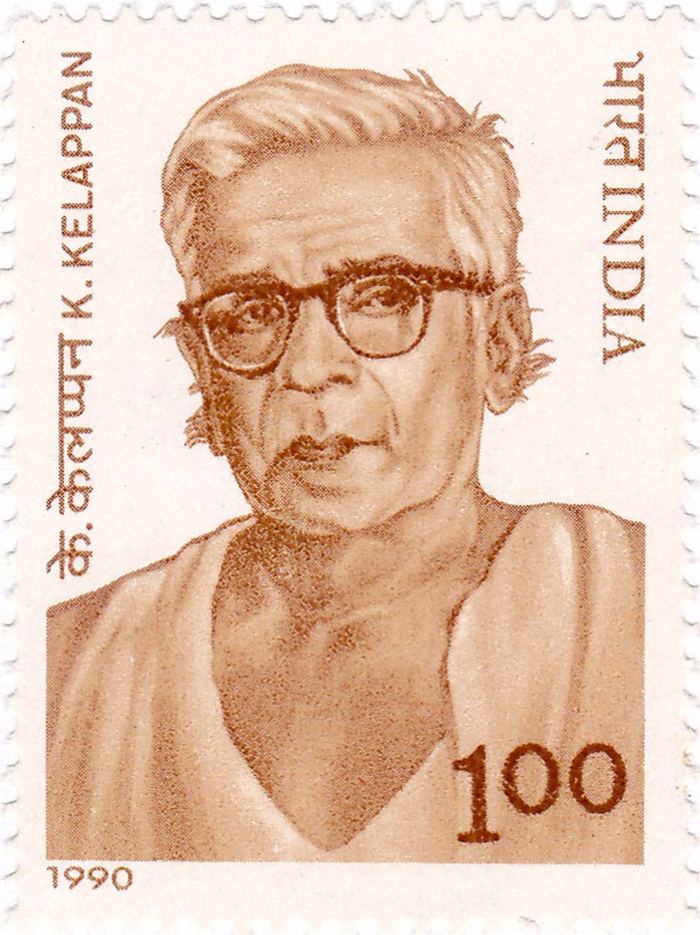
Portrait: India Post 1990 stamp, Wikimedia Commons, GODL-India license
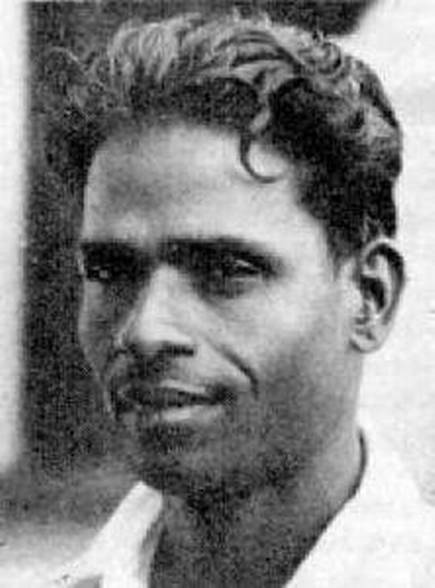
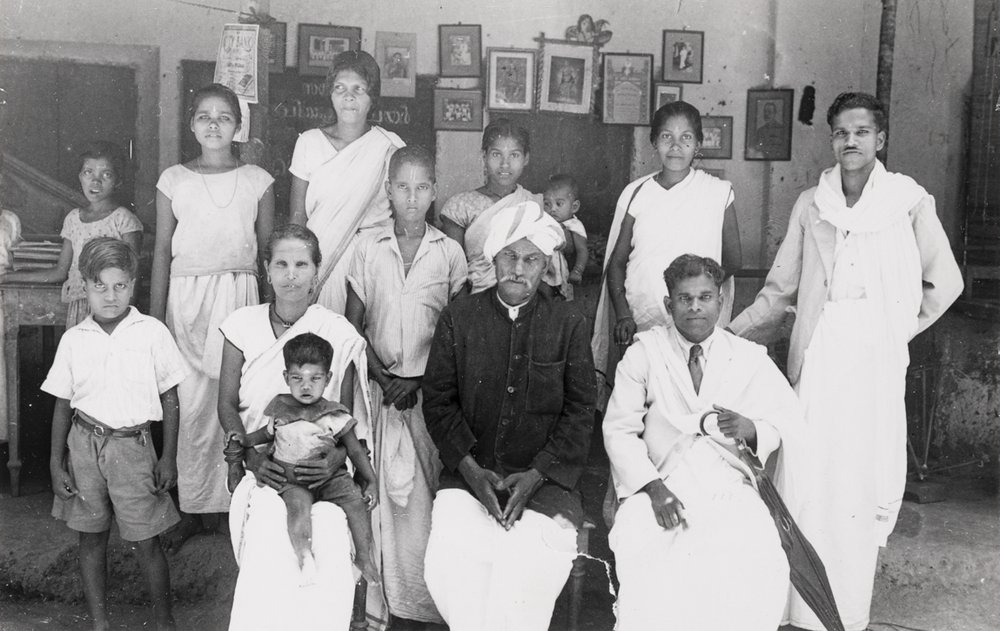
Koyapalli Kelappan Nair was born on 24 August 1889 in Muchukunnu, a small village near Koyilandy in what is today Kozhikode district, Kerala. His father was a clerk at a court, and he received his family name Koyapalli through matrilineal succession. After graduating from the University of Madras, he took up teaching, first at St. Berchmans High School in Changanassery and later as principal of a school run by the Nair Service Society, which he co-founded and led as its first president from 1914 to 1920.
The decisive turn came when he went to Bombay to study law. There he fell under the spell of Mahatma Gandhi's Non-Cooperation Movement, abandoned his studies, and threw himself into the national movement. He was the lead figure of the Indian National Congress in Kerala through the freedom struggle and earned the name "Kerala Gandhi", a title confirmed by exam boards and history books alike.
Kelappan's most enduring work was against untouchability. During the Vaikom Satyagraha of 1924-25, when lower castes were barred from walking on public roads around the Vaikom Mahadeva Temple in Travancore, he was among the foremost influences on the movement and chaired the committee formed to carry the fight against untouchability. His deeper association came with the Guruvayur Satyagraha of 1931-32, which he led. Lower castes were barred from entering the Guruvayur temple, and Kelappan organised months of protest culminating in a fast unto death that began in September 1932. He broke the fast at Gandhi's own request. A referendum held in Ponnani Taluk saw over 77 percent vote in favour of temple entry, and the groundwork laid by the movement led to the Guruvayur Temple opening its doors to all castes in 1946.
In the national movement, he was the first Satyagrahi from Kerala in the Individual Satyagraha movement. In 1930 he led the Salt Satyagraha march to the beaches of Payyanur and Calicut and made salt in defiance of the British monopoly. He was jailed repeatedly, including during the Quit India Movement of 1942. Alongside fellow reformers K. Kumar and K. Madhavanar, he was among the earliest in Kerala to drop the caste-marking suffix from his name, a quiet act of defiance in a society obsessed with caste rank.
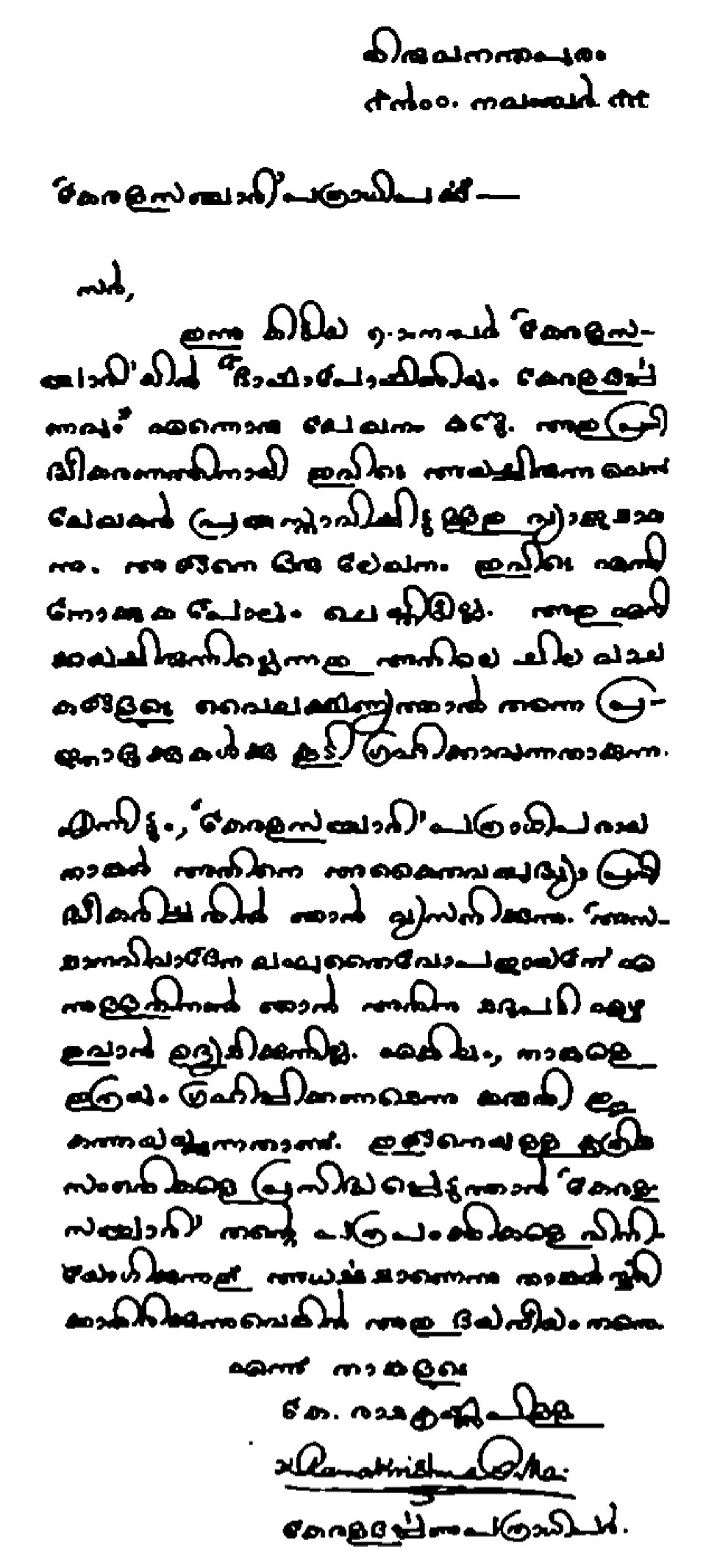
After independence, Kelappan served as president of the Kerala Pradesh Congress Committee from 1946 to 1949. He then left the Congress, joined the Kisan Mazdoor Praja Party, and was elected to the first Lok Sabha from Ponnani in 1952, serving until 1957. After that he quit active politics and became a Sarvodaya worker associated with the Bhoodan Movement. He had helped found the newspaper Mathrubhumi and served as its editor for several years, founded the Rural Institute at Thavanoor, worked for the unification of the Malayalam-speaking princely states into Kerala, and presided over Gandhian bodies like the Kerala Sarvodaya Sangh and the Gandhi Peace Foundation.
He died in Kozhikode on 7 October 1971 at the age of 82. India Post honoured him with a commemorative stamp in 1990.
Kelappan is remembered in name but not in story. Unlike Ayyankali, whose Dalit identity kept him politically alive, or the communist leaders who built durable party mythologies around themselves, Kelappan's Gandhian, Congress-era legacy had no institutional inheritor after he left electoral politics. His later opposition to the formation of a Muslim-majority Malappuram district also made commemoration politically uncomfortable. Yet the temple-entry movement he carried through two satyagrahas changed daily life for millions, and few figures worked harder to erase the caste lines that divided Kerala.
Source: Wikipedia (citing The Hindu, Freeindia.org), Asianet Newsable, Onmanorama
Visuals: Archival portrait
Follow the daily five-post slate on Instagram.
Follow on Instagram