Swadeshabhimani Ramakrishna Pillai: the Kerala editor deported in 1910 for exposing a Diwan's corruption
Portrait: Wikimedia Commons, public domain
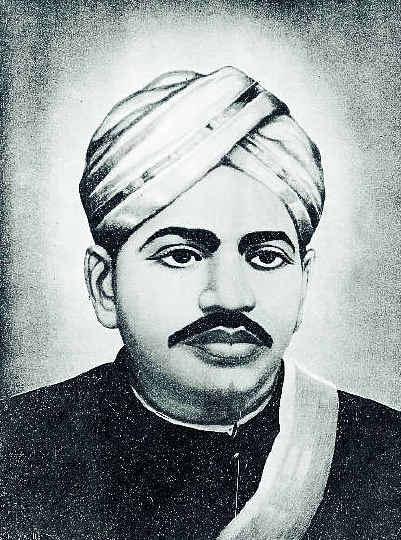
K. Ramakrishna Pillai was born on 25 May 1878 at Neyyattinkara, in the princely state of Travancore. He came from a once-privileged Nair family: a century earlier, a forebear had saved the life of Prince Marthanda Varma, and the family had been rewarded with land and a large house. By the time Ramakrishna Pillai was born, that grandeur had faded, and he spent much of his boyhood with his maternal uncle in Thiruvananthapuram, where he passed his matriculation at fourteen and took up journalism.
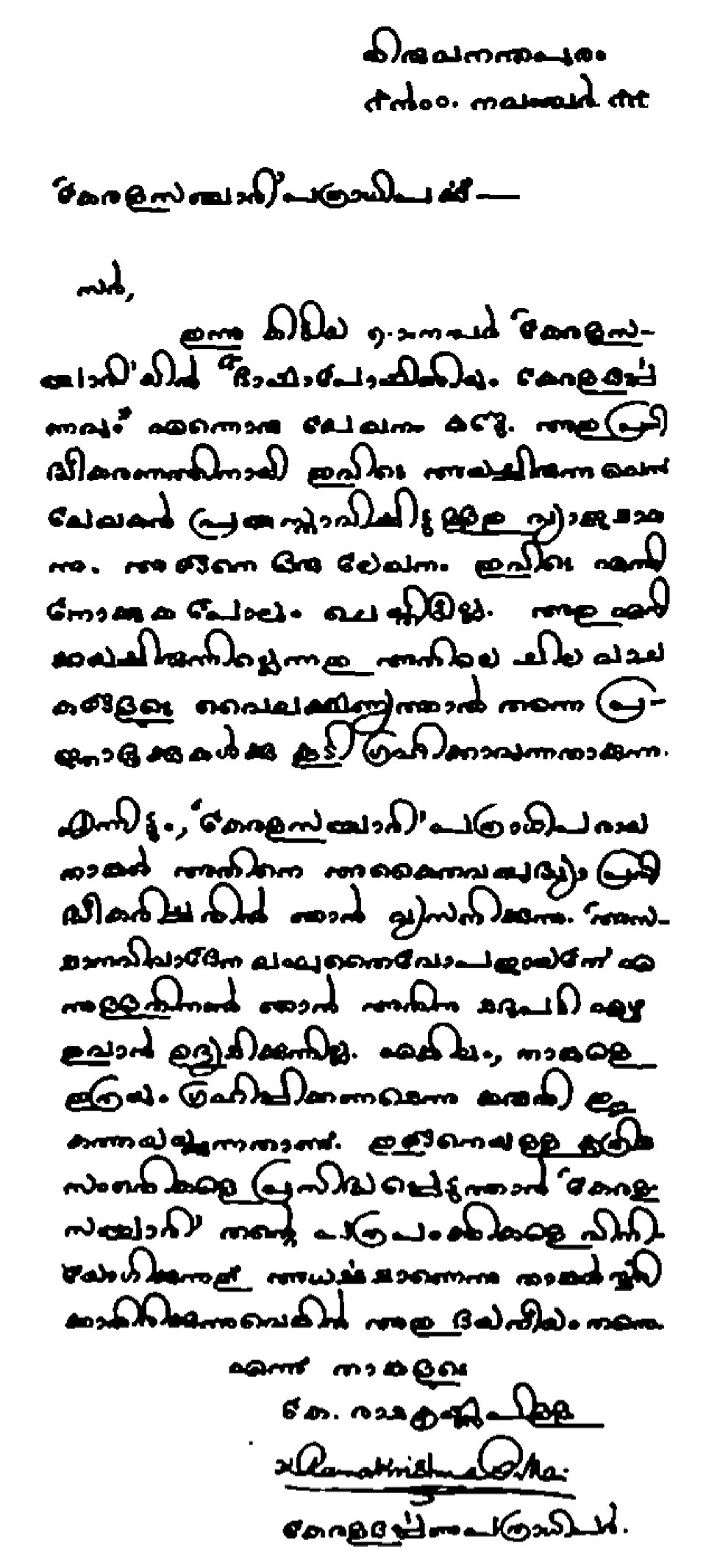
In January 1906, at twenty-seven, Pillai became editor of Swadeshabhimani (The Patriot), a Malayalam newspaper published from Trivandrum and owned by the social reformer Vakkom Abdul Khader Moulavi. The owner gave him total editorial freedom, and Pillai used it to turn the paper into something Travancore had never seen: a weapon aimed directly at the ruling establishment. He attacked the autocratic policies of Diwan P. Rajagopalachari, exposed corruption and nepotism in the administration, criticised the profligacy of the royal court under Maharaja Moolam Thirunal, and wrote against the heavy private spending of the royal consort, the Panapillai Amma. He also attacked caste bias and moral turpitude in high quarters. The government first tried to buy him off with offers of position and patronage. When he refused, it moved against him.
In 1910 Pillai was elected without contest to the Sri Mulam Popular Assembly from his home constituency of Neyyattinkara. The Diwan could not stomach such a critic in the legislature, so a new rule was promulgated with retrospective effect, requiring members to be residents of their constituencies, and Pillai's election was declared null and void. Then, on 26 September 1910, the newspaper and its press were sealed and confiscated, and Pillai was arrested and banished from Travancore to Malabar in the Madras Province of British India. Since no existing law permitted the deportation, it was carried out under a Royal Proclamation issued that same day. He was thirty-two. He would never see his homeland again.
In exile, Pillai kept writing. In 1912 he published Vrithantha Pathra Pravarthanam, the first book on journalism ever written in Malayalam, and a Malayalam biography of Karl Marx, described as the first life of Marx in any Indian language. He also introduced Mahatma Gandhi to Malayali readers through a biography. His wife and intellectual partner, B. Kalyani Amma, stood with him through these years and later wrote Vyazhavatta Smaranakal (Memories of a Cycle of Twelve Years), her account of the twelve years they spent together, which remains a major source on his life.
It cost him everything. The six years from his deportation to his death were spent in poor health as a political exile in Kannur, where he died on 28 March 1916 at thirty-seven, of a prolonged illness, far from the newspaper he had built.
He is forgotten partly because his battlefield was words rather than prison cells, and partly because the freedom movement that came after him, led by Gandhi, eclipsed the princely-state radicals who preceded it. Even in his own time, some contemporaries dismissed Swadeshabhimani as sensationalist muckraking. But his ideas were strikingly ahead of their day: he argued that the king is only the people's representative, that officials are servants of the public rather than their masters, and that the state must take up positive functions like free compulsory primary education and prohibition, decades before the Indian Constitution did. He was Kerala's first journalist arrested and exiled by the state for doing his job, and the price of his courage was six years of exile and an early death.
Source: The Hindu, Mathrubhumi, DNA India, Chakra Foundation, Political History of Modern Kerala
Visuals: Archival portrait
Follow the daily five-post slate on Instagram.
Follow on Instagram