Basant Kumar Biswas: The twenty-year-old bomb-maker hanged for the 1912 attack on Lord Hardinge
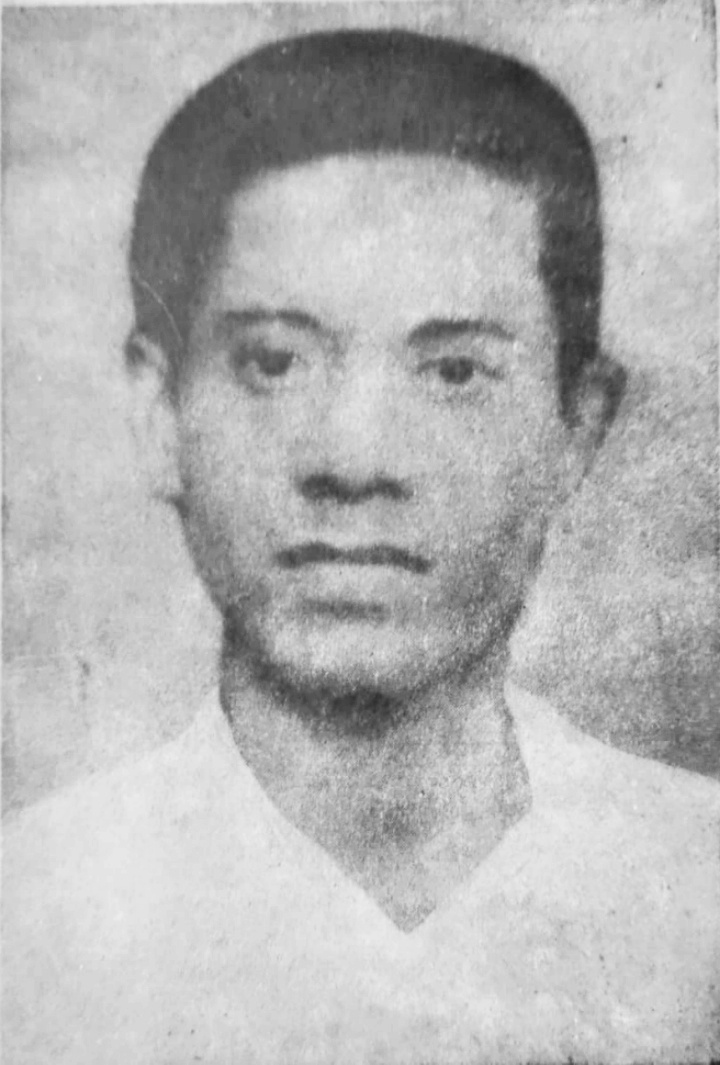
Portrait: Wikimedia Commons, public domain
Basanta Kumar Biswas, usually spelled Basant Kumar Biswas, was born on 6 February 1895 at Poragacha in the Nadia district of the Bengal Presidency (now West Bengal), into a zamindar family. He was drawn into the revolutionary movement by the Jugantar leaders Amarendranath Chattopadhyaya and Rash Behari Bose. Young, disciplined and technically gifted, he became an expert in bomb-making and received training in firearms.
On 23 December 1912, Delhi celebrated its ceremonial entry as the new capital of British India. Lord Hardinge, the Viceroy, rode through Chandni Chowk in a procession seated on a caparisoned elephant. A homemade bomb was thrown into the howdah. Hardinge was wounded in the back and shoulders, and his attendant was killed. The attack, planned by Rash Behari Bose, became known as the Delhi-Lahore Conspiracy or the Hardinge Bomb Case. Biswas is widely believed to have been the one who threw the bomb, though the true identity of the thrower was never conclusively established. Bose went underground after the attack and eventually fled to Japan in 1915.
Biswas was arrested in February 1914. The British had announced a reward of Rs. 10,000 for the capture of the bomb thrower, since the attacker's identity was not immediately known. In the aftermath, the colonial government mounted intense investigations across Bengal and Punjab: nearly twenty suspects were apprehended from Delhi, Punjab and Bengal, and the revolutionary underground of both provinces came under severe pressure. At the Delhi Conspiracy trial, the court sentenced him to death on 5 October 1914, along with Master Amir Chand, Master Awadh Behari and Bhai Balmukund; a fifth accused, Lala Hanwant Sahai, was sentenced to life in the Andamans. Biswas was hanged at Ambala Central Jail on 9 May 1915, at the age of twenty, the day after his three fellow convicts went to the gallows at Delhi Jail. (Some records, including Wikipedia, give 11 May 1915 for the Ambala execution; the Delhi government's own records and contemporary press reports give 9 May.) He was among the youngest people executed during India's twentieth-century revolutionary struggle.
He is remembered with his fellow convicts at the Shaheed Smarak, a memorial raised at the "Phansi Ghar" of the old Delhi Jail, now on the campus of the Maulana Azad Medical College, where the Delhi government pays tribute to the martyrs every 8 May. A memorial to him also stands in Kalyani, in his native Nadia. He is named in textbooks as one of the four executed in the Hardinge case, but his youth, twenty years old at the gallows, is what the numbers cannot carry.
Source: Wikipedia, Business Standard, The Hindu
Visuals: Archival portrait
Follow the daily five-post slate on Instagram.
Follow on Instagram