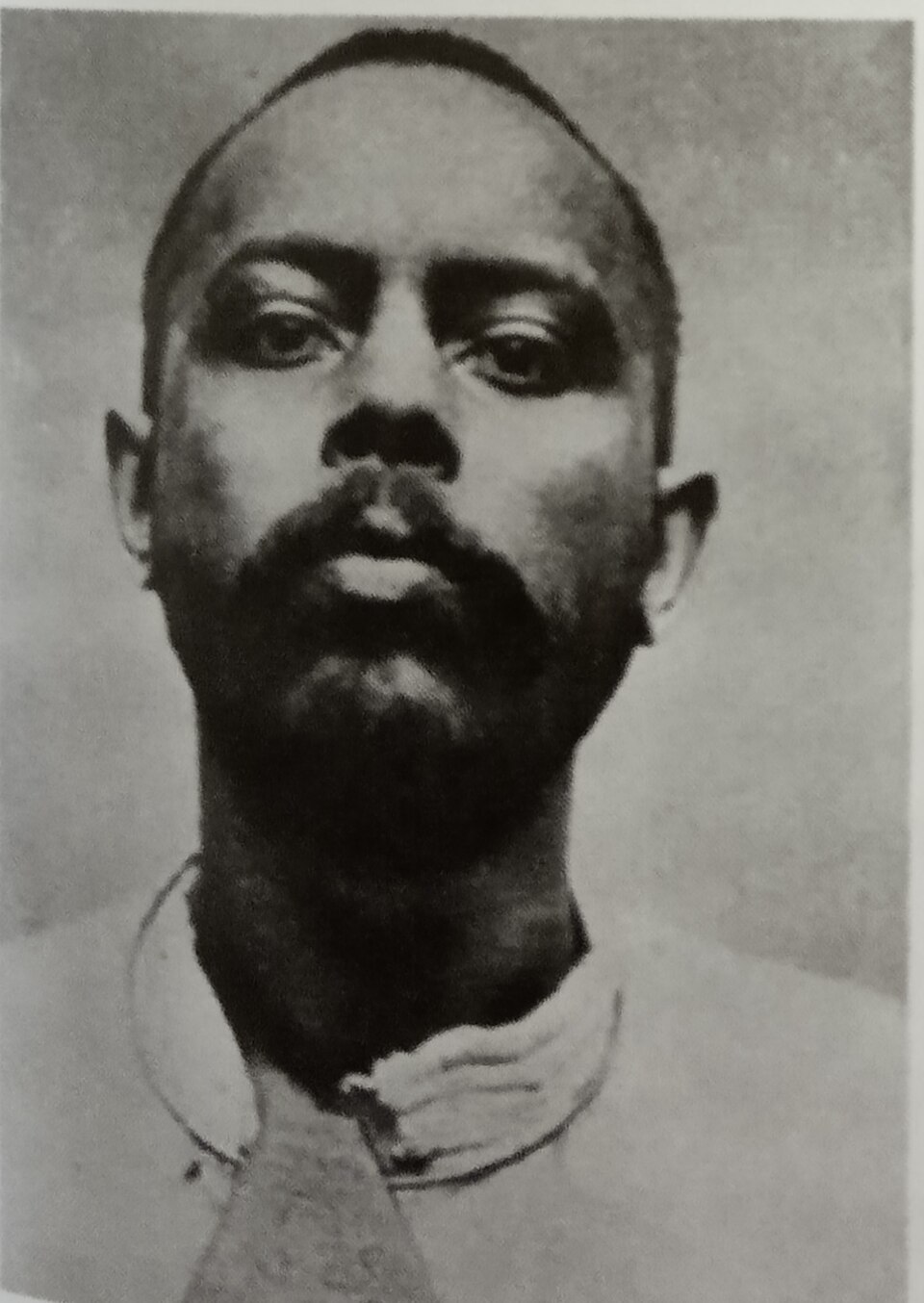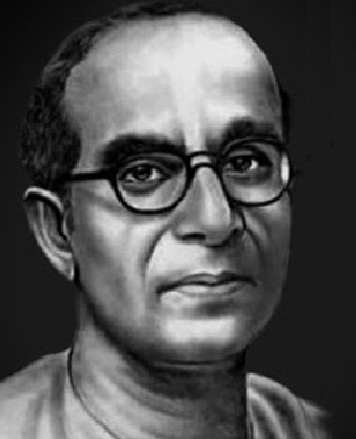
Barindra Kumar Ghosh: The Organizer Behind Bengal's Bomb Revolution
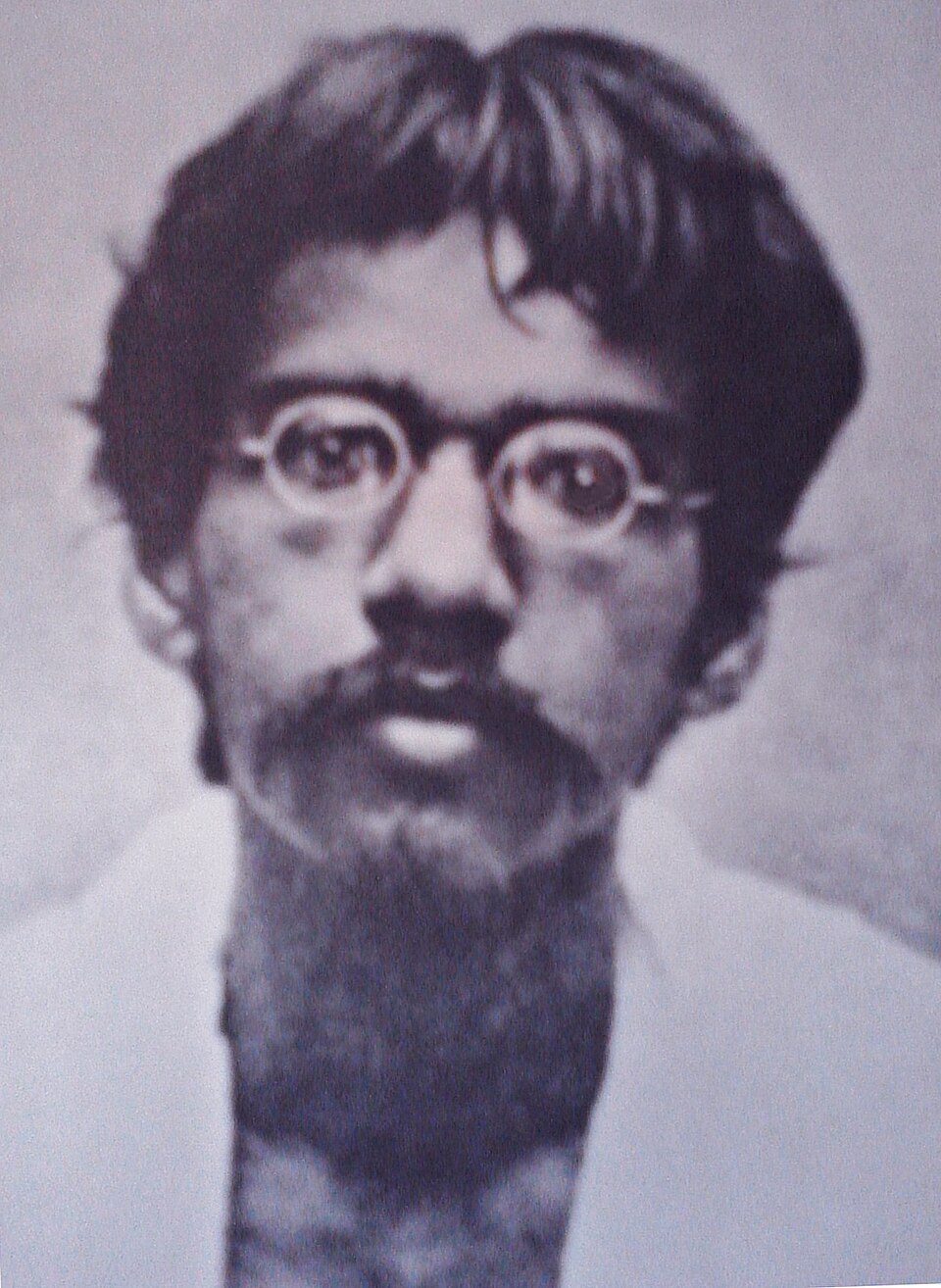
Portrait: Wikimedia Commons, public domain
Barindra Kumar Ghosh, known as Barin, was born on 5 January 1880 at Croydon, near London, the younger brother of Aurobindo Ghosh. His father, Dr. Krishnadhan Ghosh, was a physician, and his mother Swarnalata was the daughter of the Brahmo reformer Rajnarayan Basu. Barin was schooled at Deoghar and Patna College and received military training in Baroda, where he fell under his elder brother's influence and was drawn to the revolutionary movement.
In 1902 he returned to Calcutta and, with Jatindranath Mukherjee, began organizing secret revolutionary groups across Bengal. In 1906 he started publishing Jugantar, a Bengali weekly whose fiery nationalism soon made it the voice of armed resistance, and built around it the Jugantar organization, drawn from the inner circle of the Anushilan Samiti. From the garden house at 32 Muraripukur Road in Maniktala, Calcutta, the group manufactured bombs and stockpiled arms. Barin was the operational brain of it all: recruiting young men, training them, and running the network that the British would later call the Maniktala conspiracy.
After the Muzaffarpur bombing of 30 April 1908, in which Khudiram Bose and Prafulla Chaki failed to kill Magistrate Kingsford, the police raided the Maniktala house on 2 May and arrested Barin along with his comrades. The Alipore Bomb Case, India's first great state trial for conspiracy to wage war against the King, ran for a year with over a thousand exhibits and hundreds of witnesses. On the day in 1909 that his brother Aurobindo was acquitted, Barin was sentenced to be hanged. On appeal the death sentence was commuted to transportation for life, and he was deported to the Cellular Jail in the Andamans, where he endured years of hard labour and humiliation.
He was released in January 1920 under a general amnesty. He wrote The Tale of My Exile (1922), a memoir of his prison years told with a black humour that reviewers noted could only have been forged as a survival mechanism. He turned to journalism in Kolkata, editing The Dawn of India and later Dainik Basumati, and spent his later years in literary and spiritual pursuits. He died in Kolkata in 1959.
History remembers Aurobindo the philosopher, but the younger brother who actually built and ran Bengal's first bomb-making network is barely remembered at all. The Hindu, reviewing his memoir decades later, called him a legend among Indian revolutionaries. In 2026 a Trinamool MP reminded Parliament that Barin and his fellow Andaman deportees never wrote a mercy petition, and asked why the country had let them fade.
Source: The Hindu, Wikipedia
Visuals: Archival portrait
Follow the daily five-post slate on Instagram.
Follow on Instagram