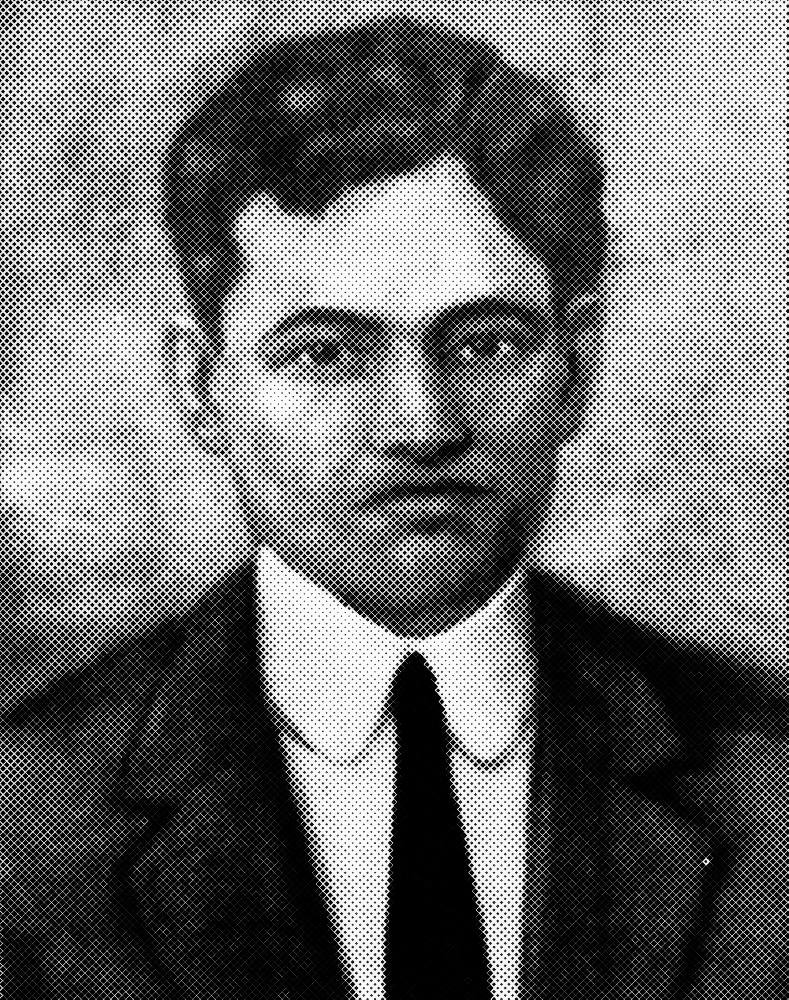
Ganesh Savarkar: Babarao, the elder Savarkar behind Abhinav Bharat
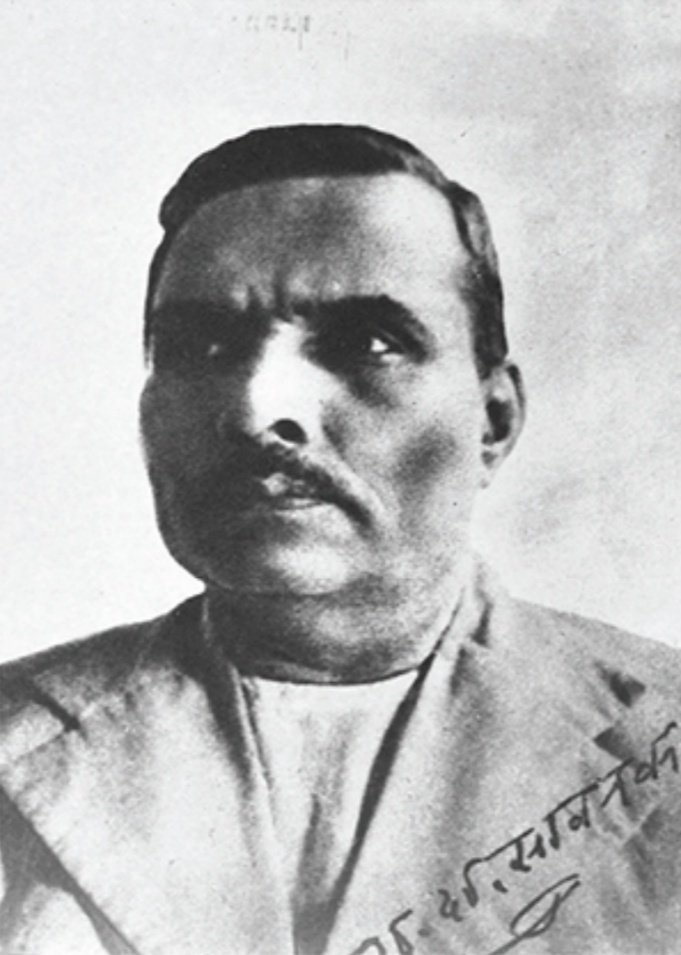
Portrait: Wikimedia Commons, public domain
Ganesh Damodar Savarkar (13 June 1879 - 16 March 1945), known as Babarao, was the eldest of the Savarkar brothers and the organisational backbone of the secret revolutionary society Abhinav Bharat, yet history remembers his younger brother Vinayak far better than him. Born at Bhagur near Nashik, Ganesh took responsibility for the family at the age of twenty after his parents' deaths, sacrificing his own education and pinning the family's hopes on Vinayak, who would go to London to study law.
In 1899 Vinayak formed the Rashtrabhakta Samuha, renamed Mitra Mela in 1900, and in 1904 the circle became the secret society Abhinav Bharat, inspired by Mazzini's Young Italy. Babarao headed both the Mitra Mela and Abhinav Bharat, organising lectures, festivals and charged public gatherings to awaken nationalist feeling. The society proclaimed that India needed complete independence, swaraj, not dominion status under the Crown, a position the Indian National Congress would adopt only in 1929. Babarao organised lectures and public festival celebrations to draw freedom fighters and intellectuals, including figures such as Tilak and Aurobindo, into the movement. After Vinayak sailed for England in 1906, Babarao took the Mitra Mela and Abhinav Bharat fully on his own shoulders, writing later that from that point he worked ceaselessly for his pledge to the nation's freedom through every circumstance. In 1905, during the agitation against the partition of Bengal, Babarao organised the first public bonfire of foreign clothes at Nashik, while Vinayak did the same at Pune.
The British moved against him in 1909. His writings, including a collection of poems, were produced as evidence of sedition, and Nashik's collector A. M. T. Jackson sentenced him to transportation for life. He reached the Cellular Jail in the Andamans in 1910; Vinayak, arrested in London, arrived in July 1911. The brothers endured the jail's harshest punishments, including solitary confinement and standing handcuff restraints. Excluded from the 1919 royal amnesty as too dangerous, Ganesh was returned to the mainland in 1921, but his health had collapsed so completely that the authorities, unwilling to face a death in custody, released him unconditionally in September 1922. He was imprisoned a second time from 1933 to 1937, and released unconditionally again.
Babarao died at Sangli on 16 March 1945. He had spent over a decade of his life in British prisons for the same cause as his famous brother, and he was counted among the first founding members of the Rashtriya Swayamsevak Sangh. Yet in popular memory he remains a footnote to Vinayak's story, the elder brother who built the organisation, paid for it in the Cellular Jail, and was forgotten.
Source: savarkar.org, myind.net, Wikipedia
Visuals: Archival portrait
Follow the daily five-post slate on Instagram.
Follow on Instagram