Ullaskar Dutta: The Bomb-Maker Broken by the Cellular Jail
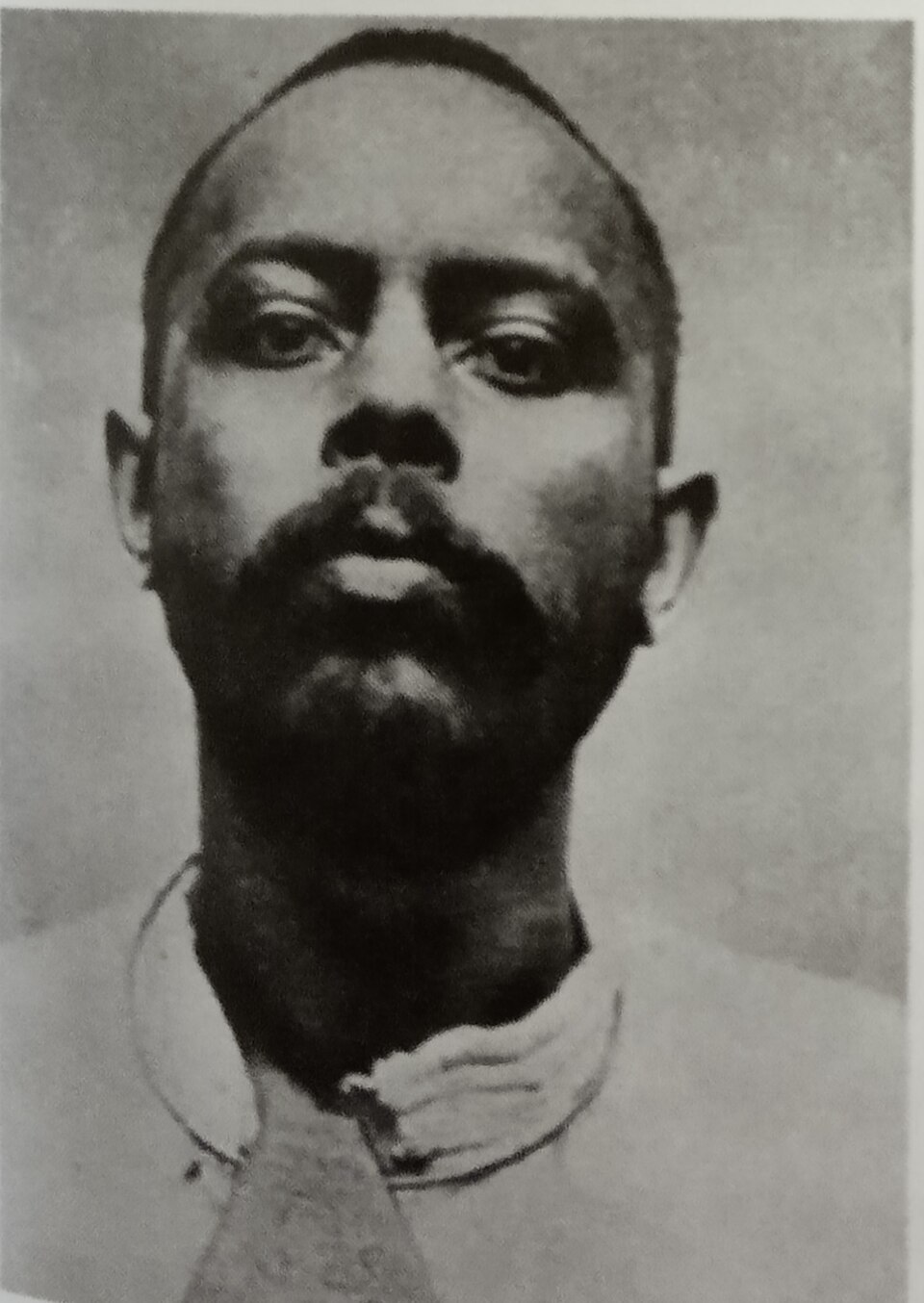
Portrait: Wikimedia Commons, public domain
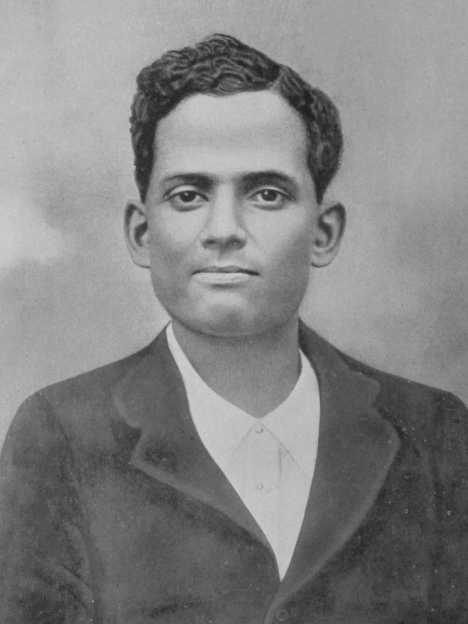
Ullaskar Dutta was born on 16 April 1885 in the village of Kalikachha in the Brahmanbaria district of undivided Bengal, now in Bangladesh. His father Dwijadas Dutta was a member of the Brahmo Samaj. After passing his entrance examination in 1903, Ullaskar joined Presidency College in Calcutta, but was expelled for striking Professor Russell, who had made a derogatory remark about Bengalis. The expulsion pushed him toward Barindra Kumar Ghosh and the Jugantar group, where he found his calling: he became an expert in the chemistry of explosives.
Ullaskar was the bomb-maker of the early Bengal revolution. The bomb that Khudiram Bose and Prafulla Chaki hurled at Muzaffarpur on 30 April 1908 was manufactured by him and Hemchandra Kanungo. He had also devised the mines used in attempts on Andrew Fraser, the Lieutenant Governor of Bengal. When the police raided the Maniktala garden house on 2 May 1908 and arrested the Jugantar leadership, Ullaskar was among them.
In the Alipore Bomb Case he was sentenced to death by hanging in May 1909. On appeal the sentence was commuted to transportation for life, and he was deported to the Cellular Jail in the Andamans. There he endured what British records themselves would describe as one of the most brutal cases of prison cruelty in the colony: repeated beatings and electric shocks administered as punishment. The torture broke his mind. He is said to have lost his mental balance in the jail, and British historical records cite him as among the most tragic cases of colonial prison brutality.
He was released in 1920 and returned to Kolkata. In 1931 he was arrested again and sentenced to 18 months in prison. When colonial rule ended in 1947, he returned to his village of Kalikachha, and in 1948 he married his childhood friend Leela, the daughter of Bipin Chandra Pal, who was then widowed. The couple settled in Silchar, Assam, where Ullaskar spent his later years. He refused the pension the Government of India offered to political sufferers. He wrote two memoirs of his imprisonment, Dvipantarer Katha and Amar Karajiban, the latter translated into English as Twelve Years of Prison Life in 1924.
Ullaskar died in Silchar on 17 May 1965. Roads in Kolkata and Silchar were later named after him, and his ancestral home in Bangladesh was preserved after a campaign by activists on both sides of the border. But in the national memory he remains what a 2026 Rajya Sabha intervention called him: one of the "uncompromised figures" the country has conveniently forgotten, a man whose mind the Empire broke because it could not break his resolve.
Source: Wikipedia, The Federal
Visuals: Archival portrait
Follow the daily five-post slate on Instagram.
Follow on Instagram